

天橋立案内 5

成相本坂道
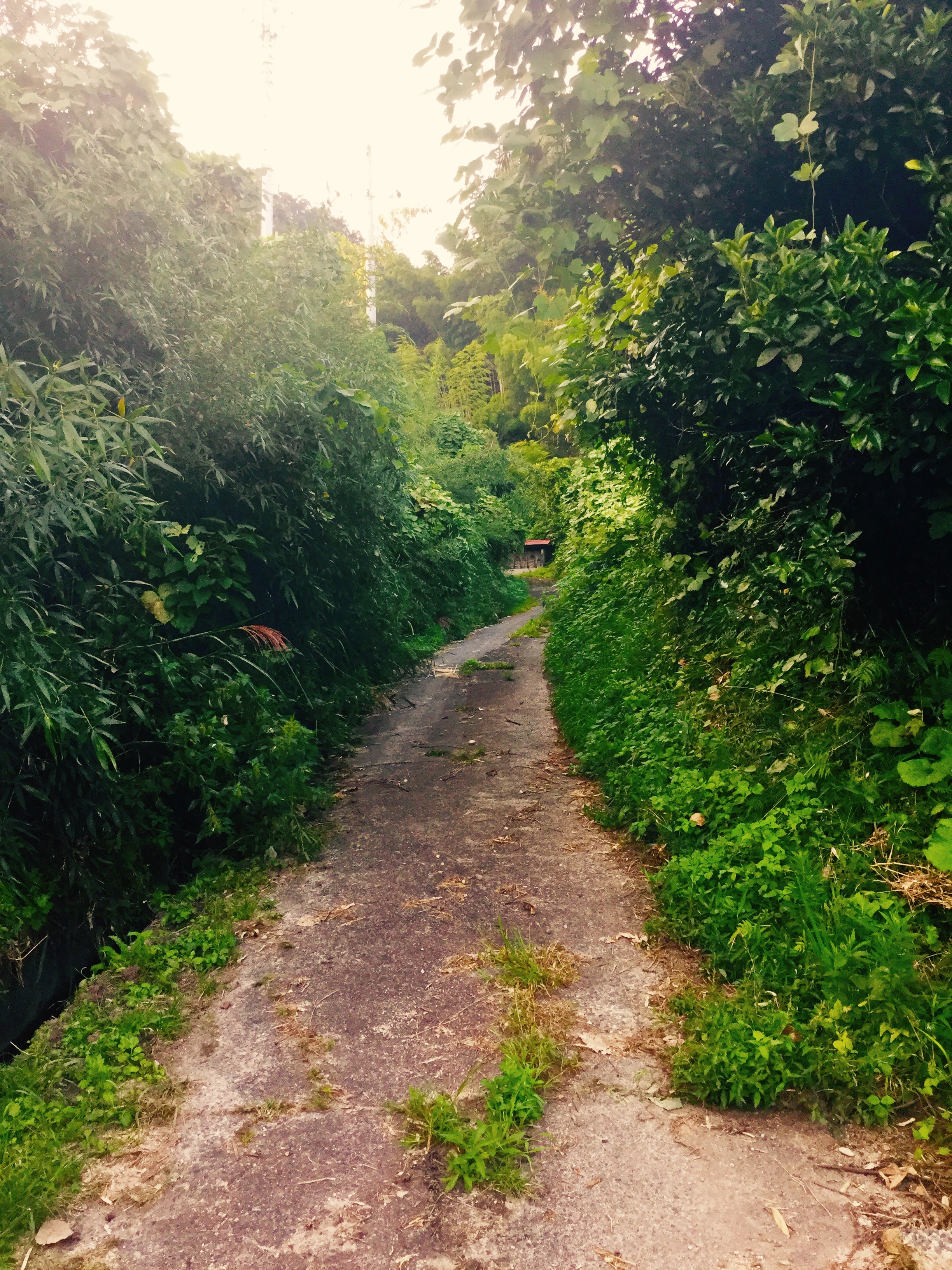
すでに怪しい雰囲気
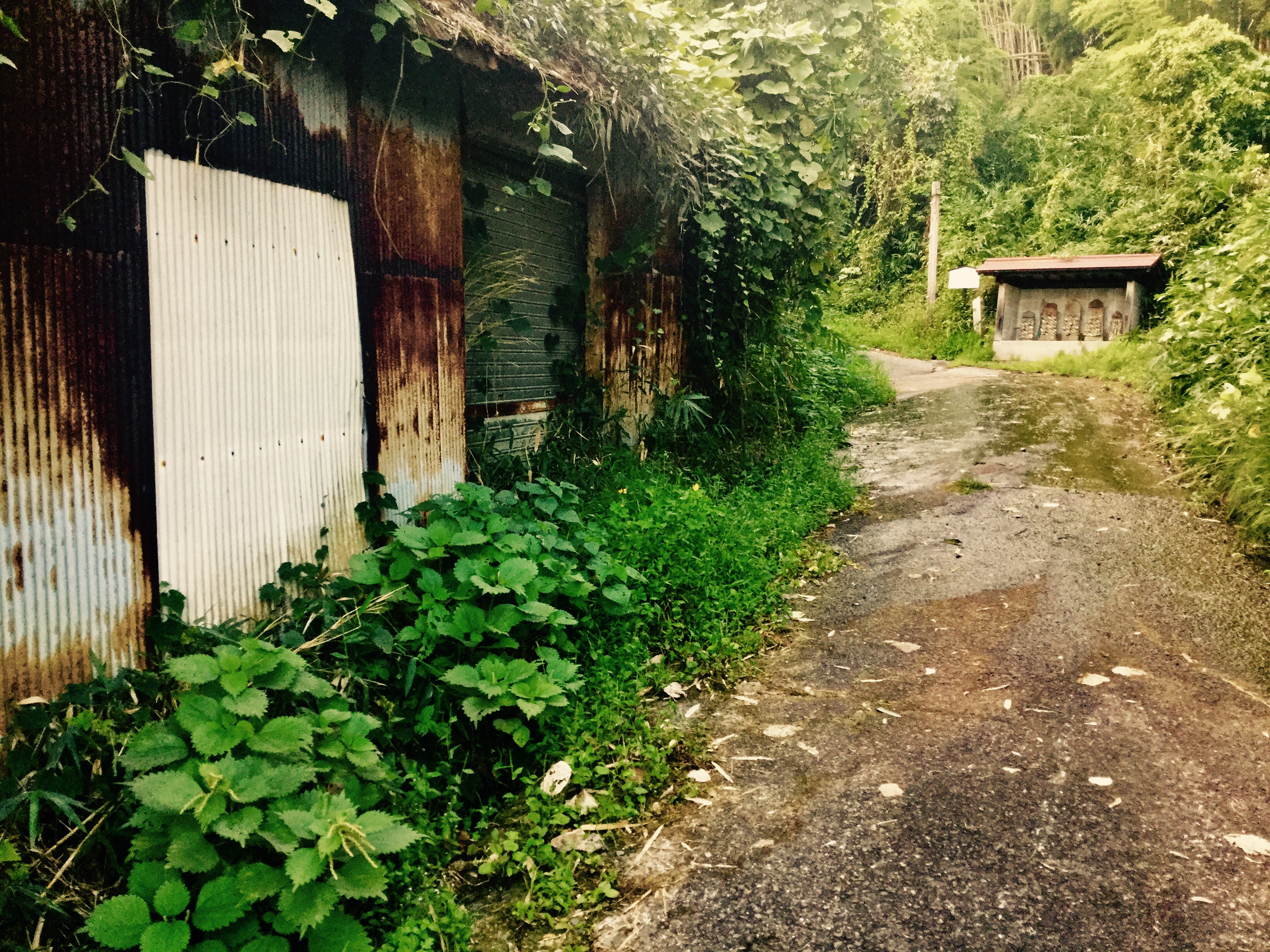
府中地区で一番ふるい板碑
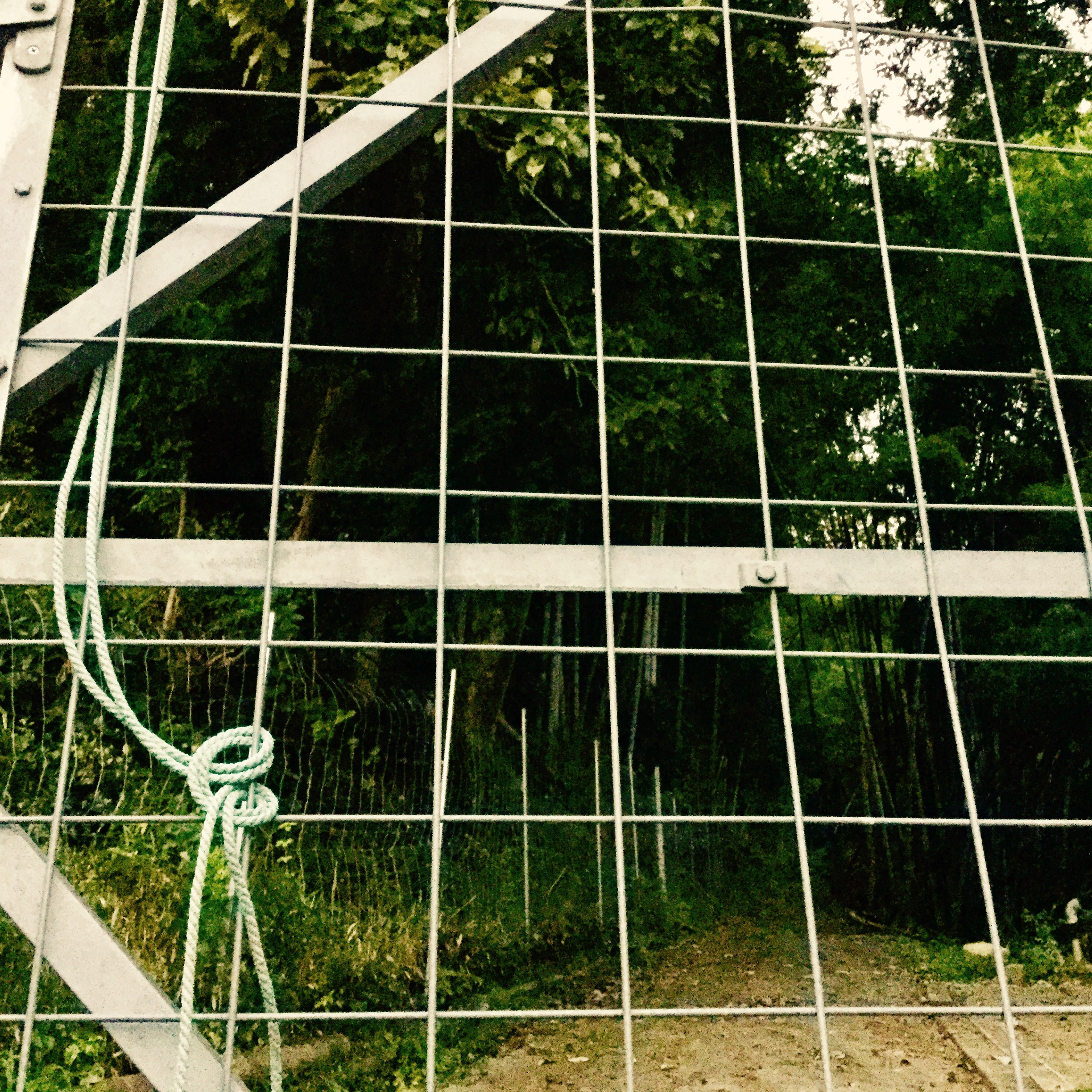
侵入を拒むかのような巨大なゲート
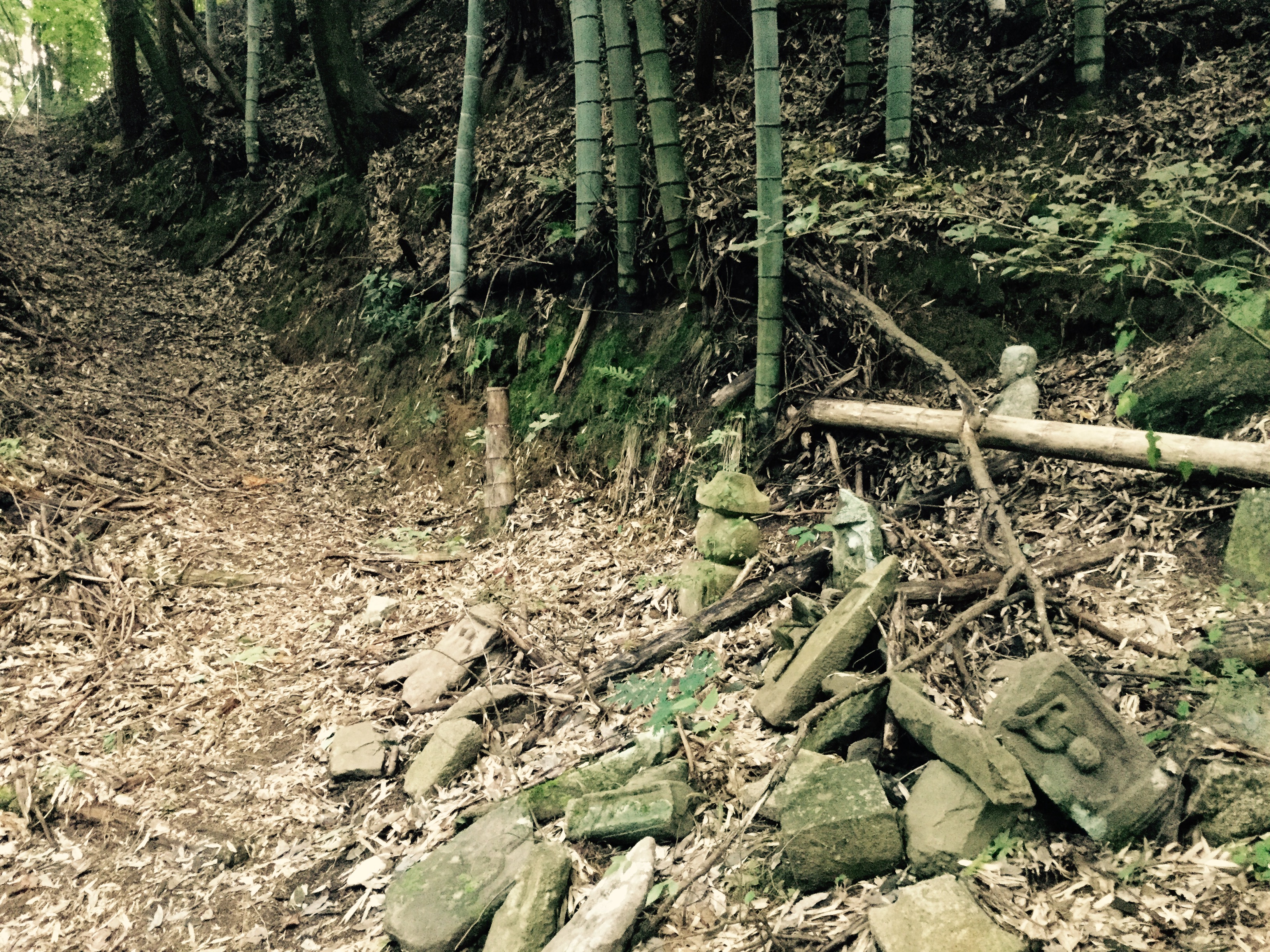
いきなり荒廃

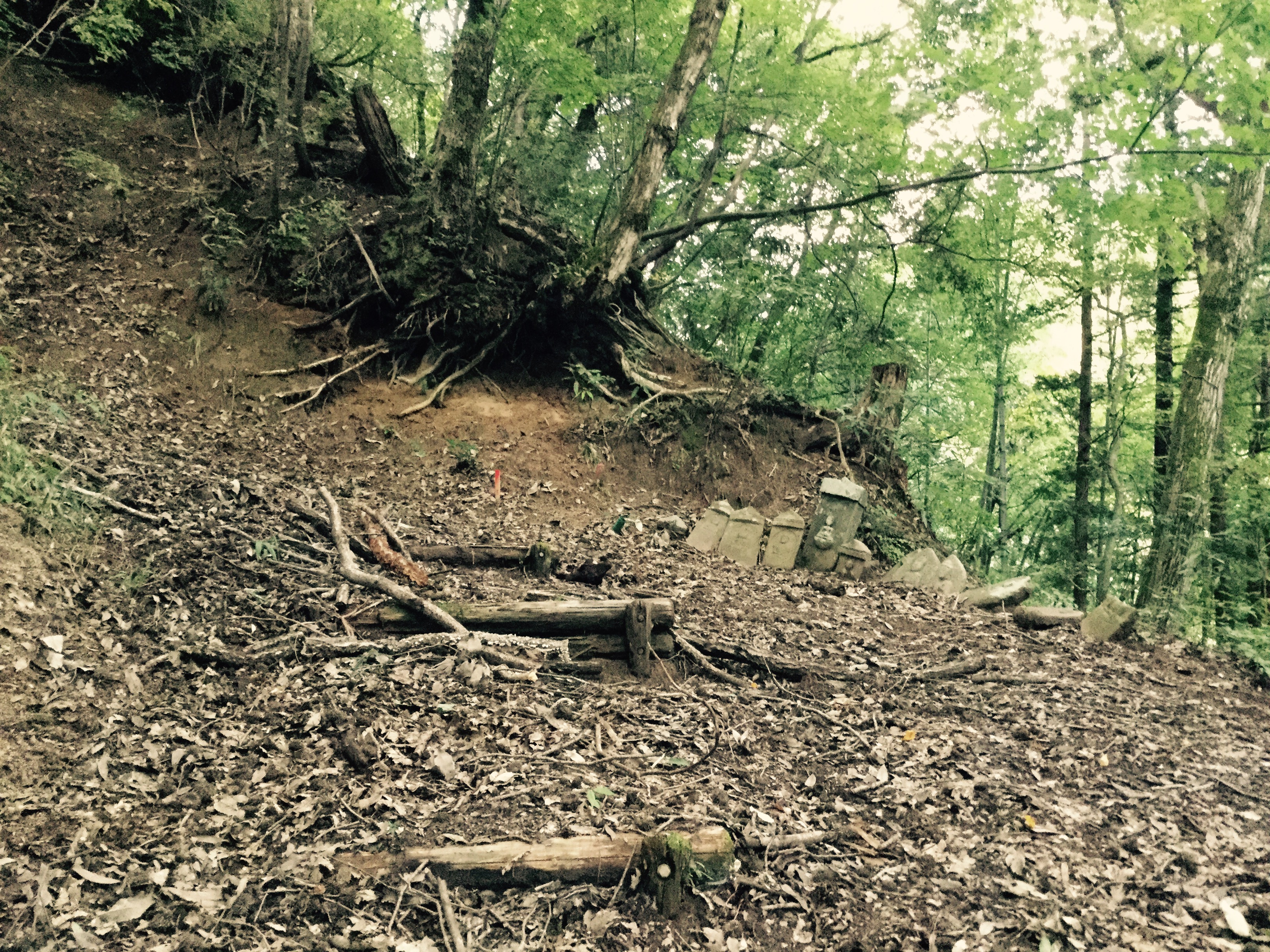
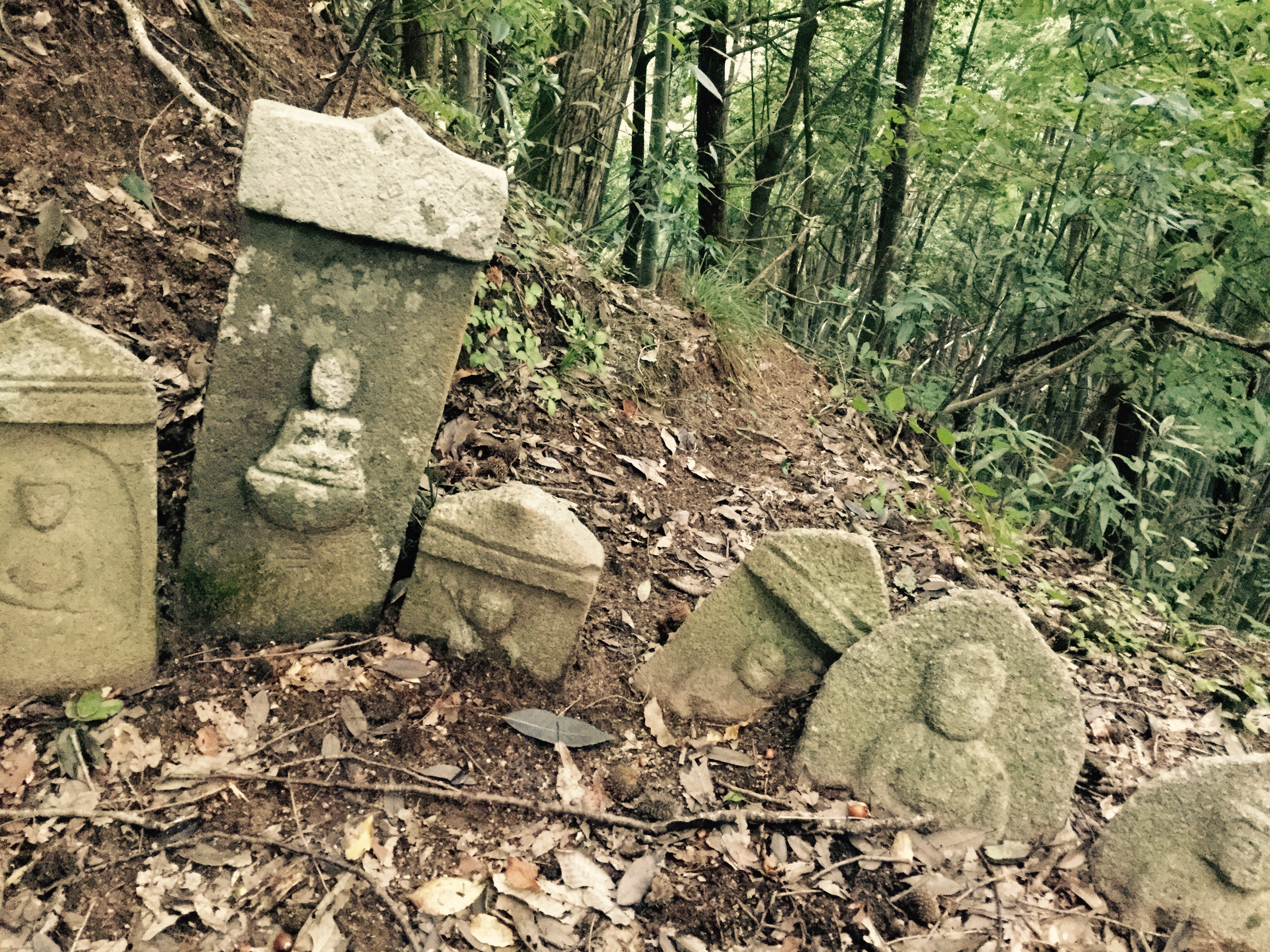
埋もれている
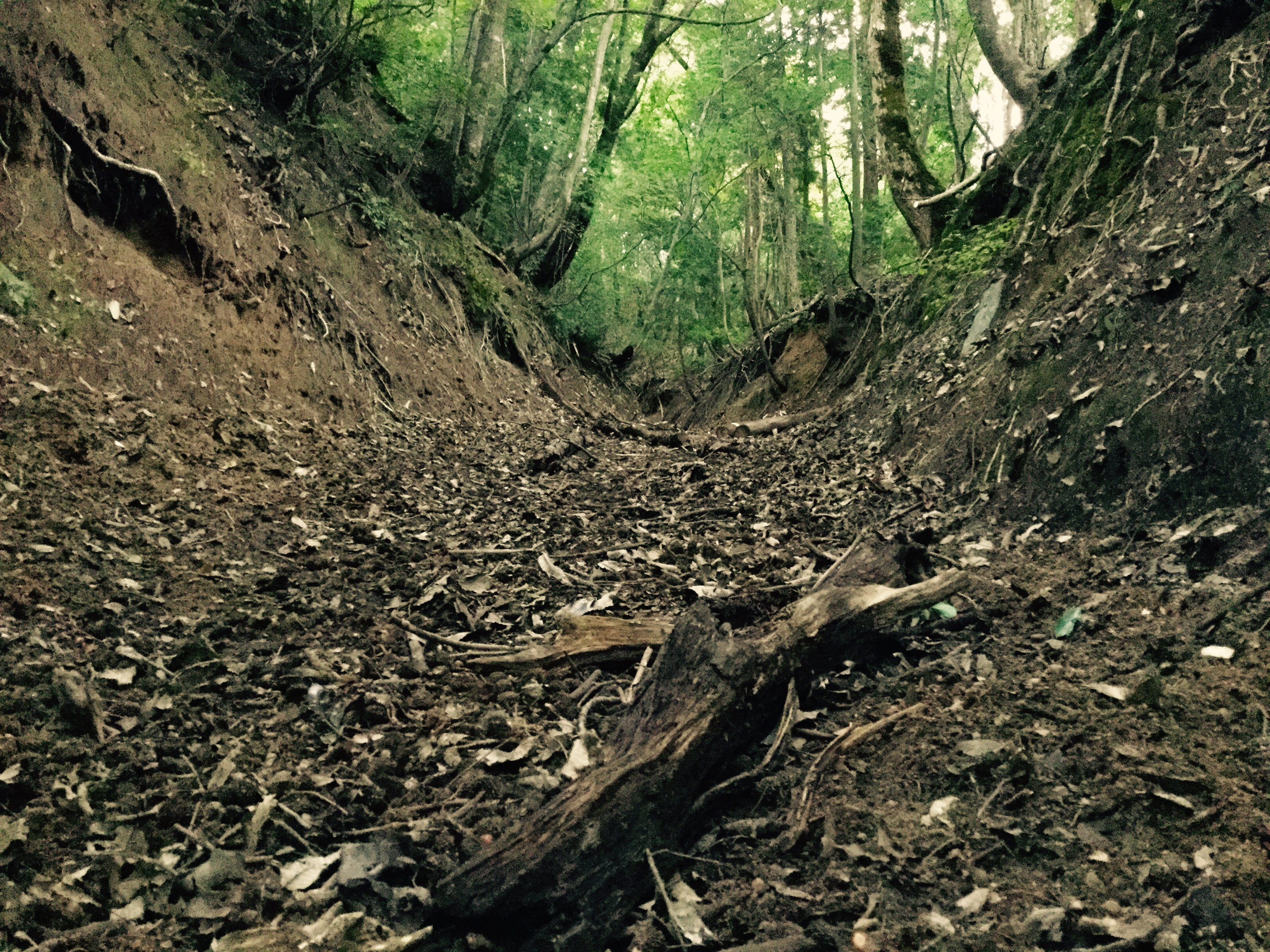
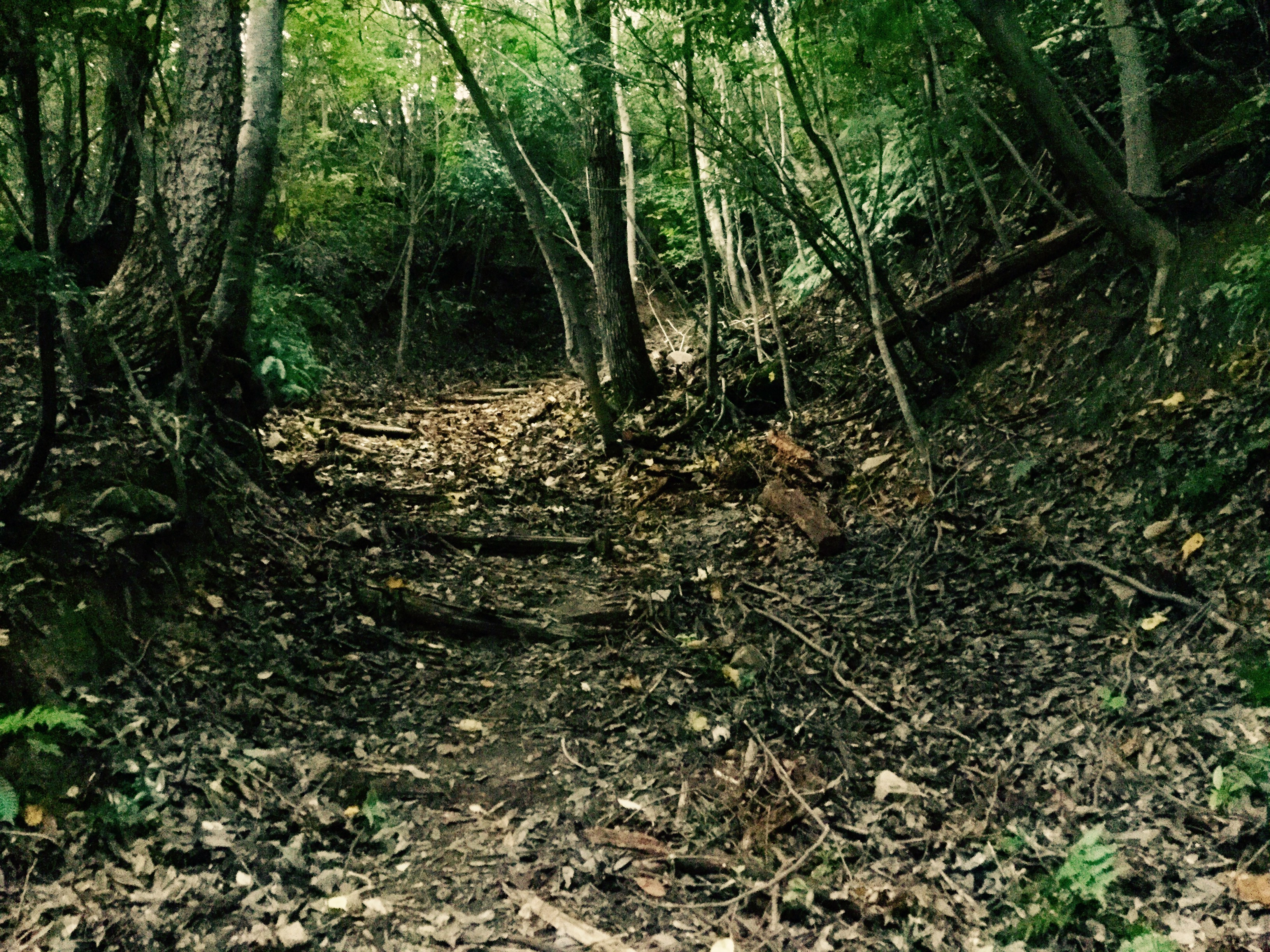
暗がりのカーブを抜けると・・・

天橋立「益軒観(えきけんかん)」
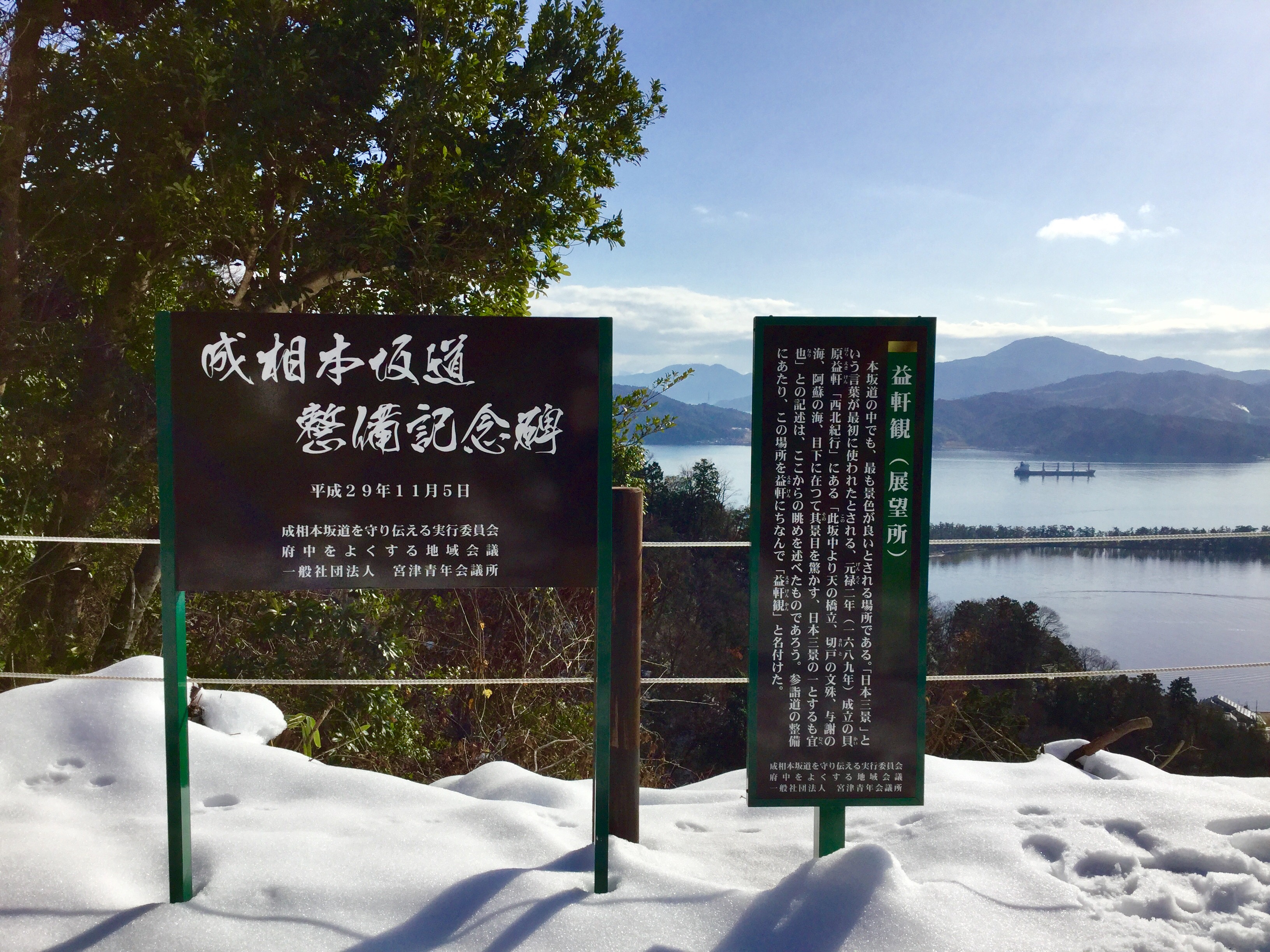
再整備事業により、かつての旅人のように往来が楽しめます。お地蔵さんも整いました。
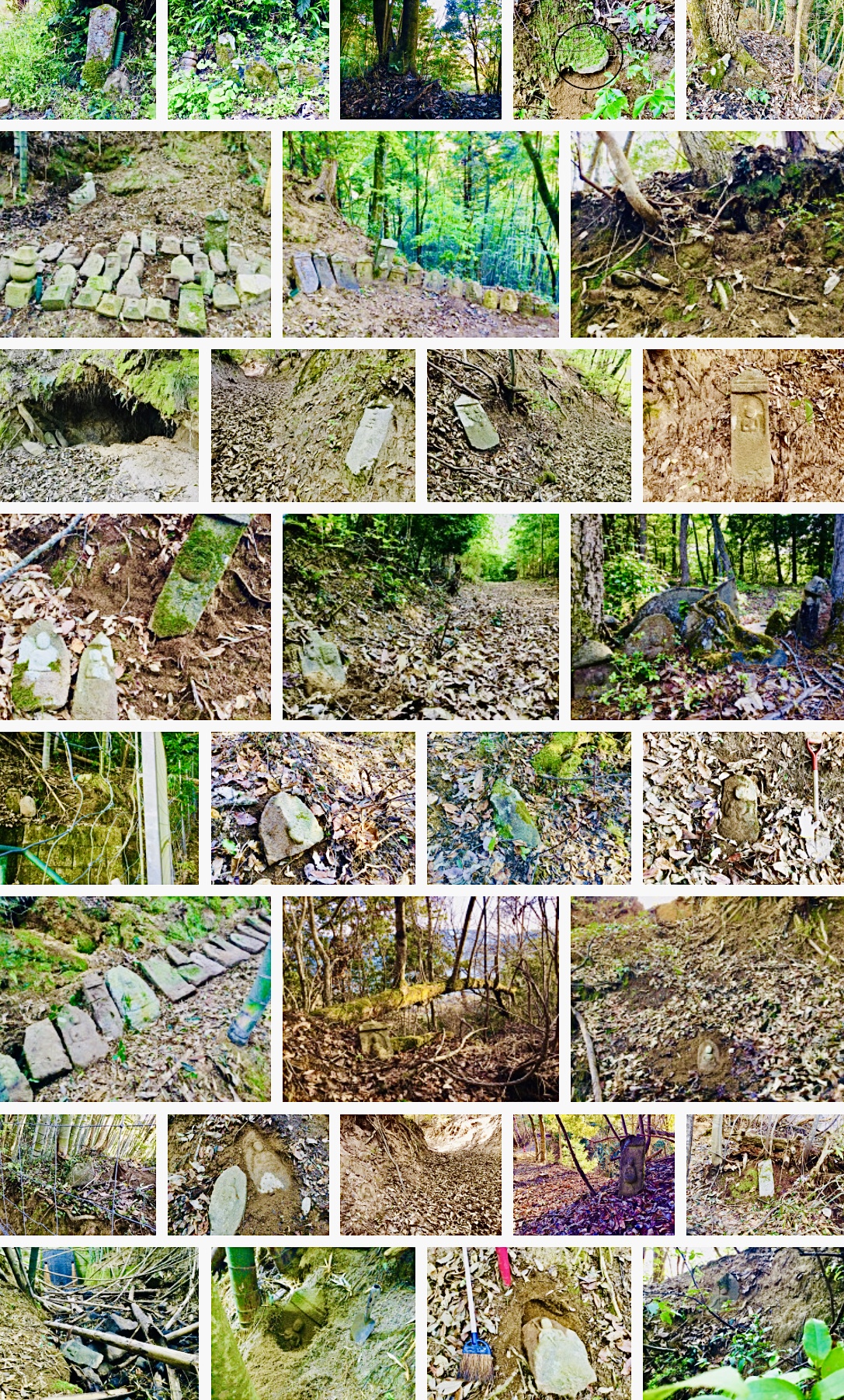
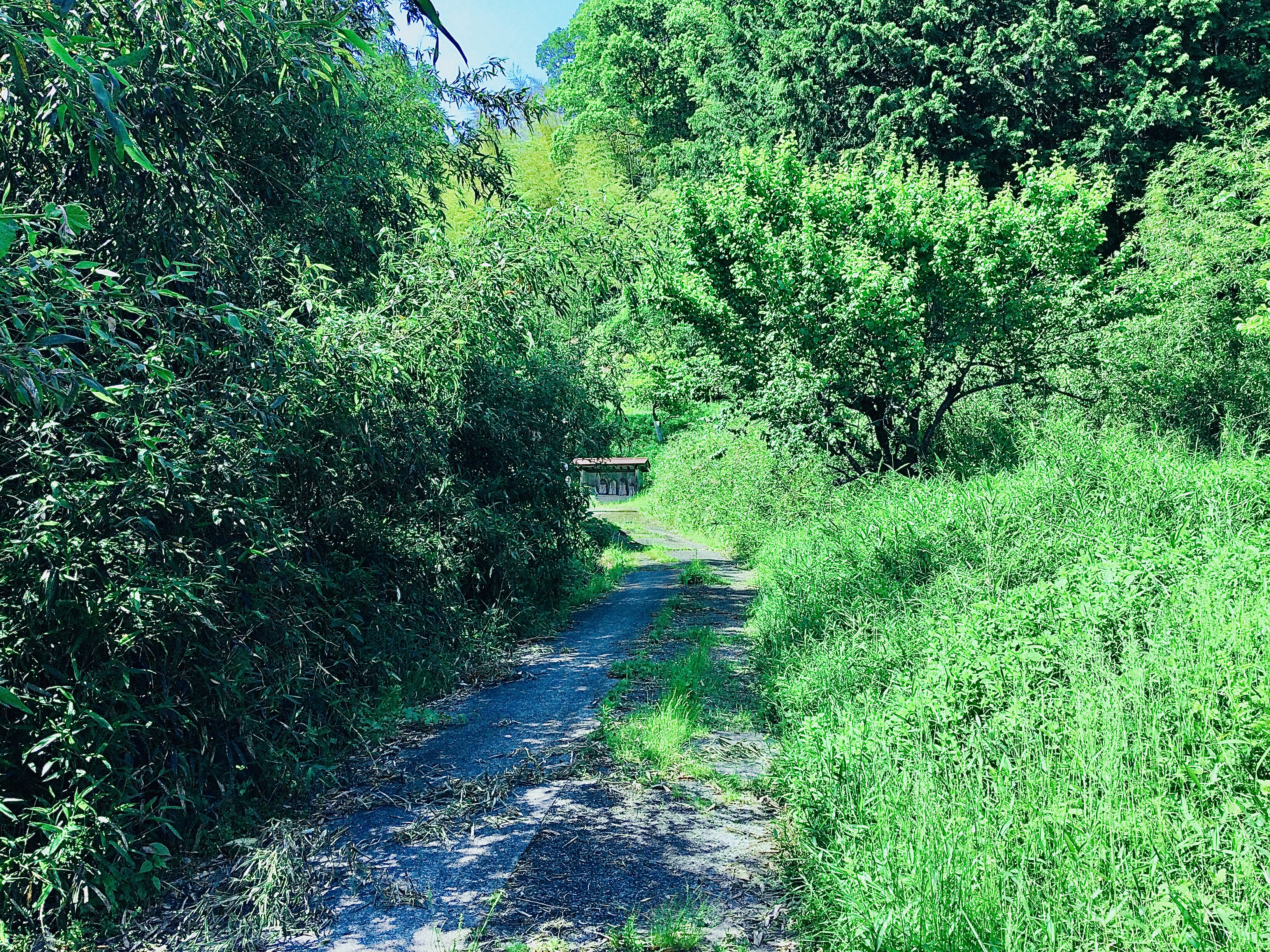
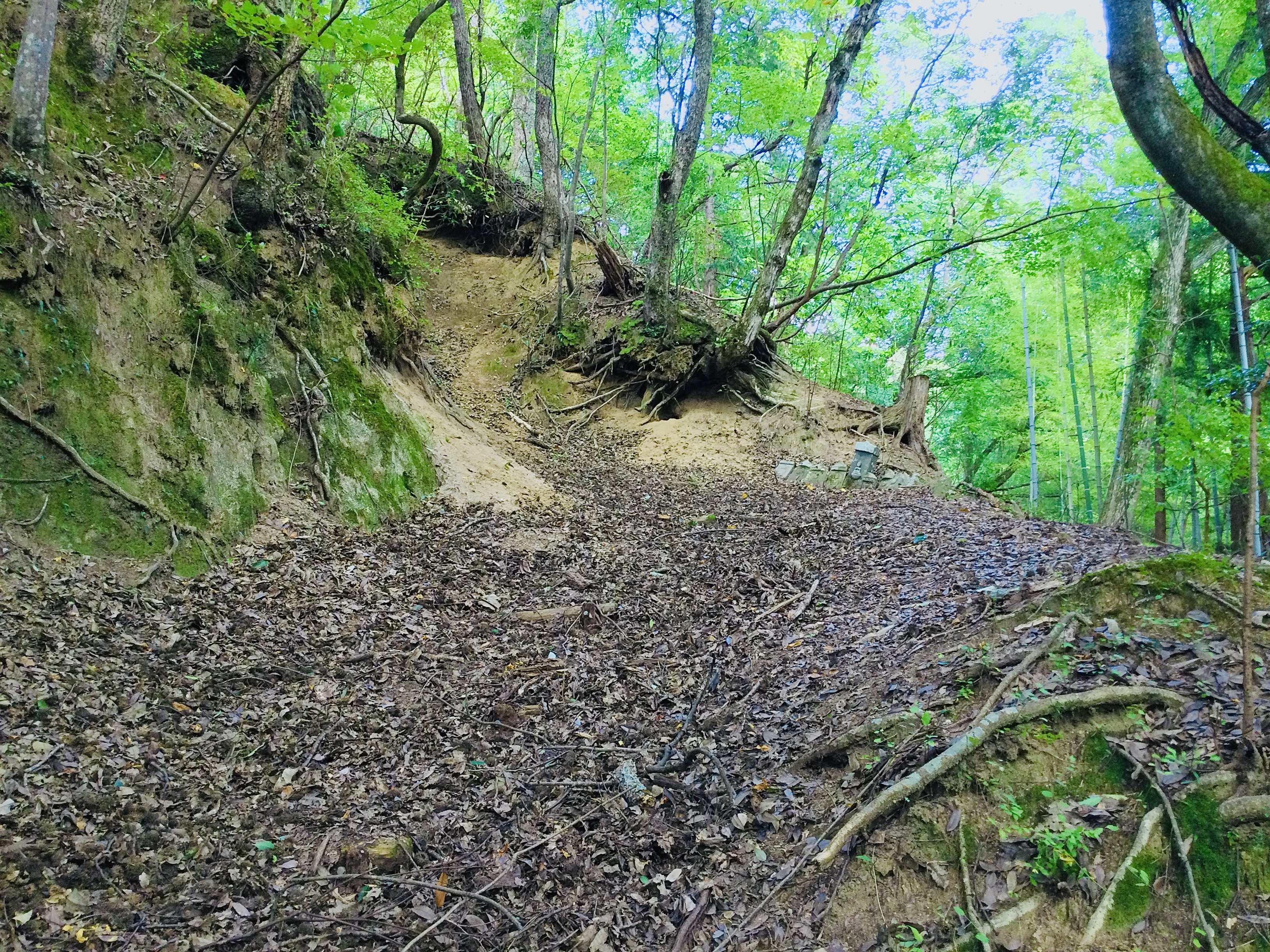
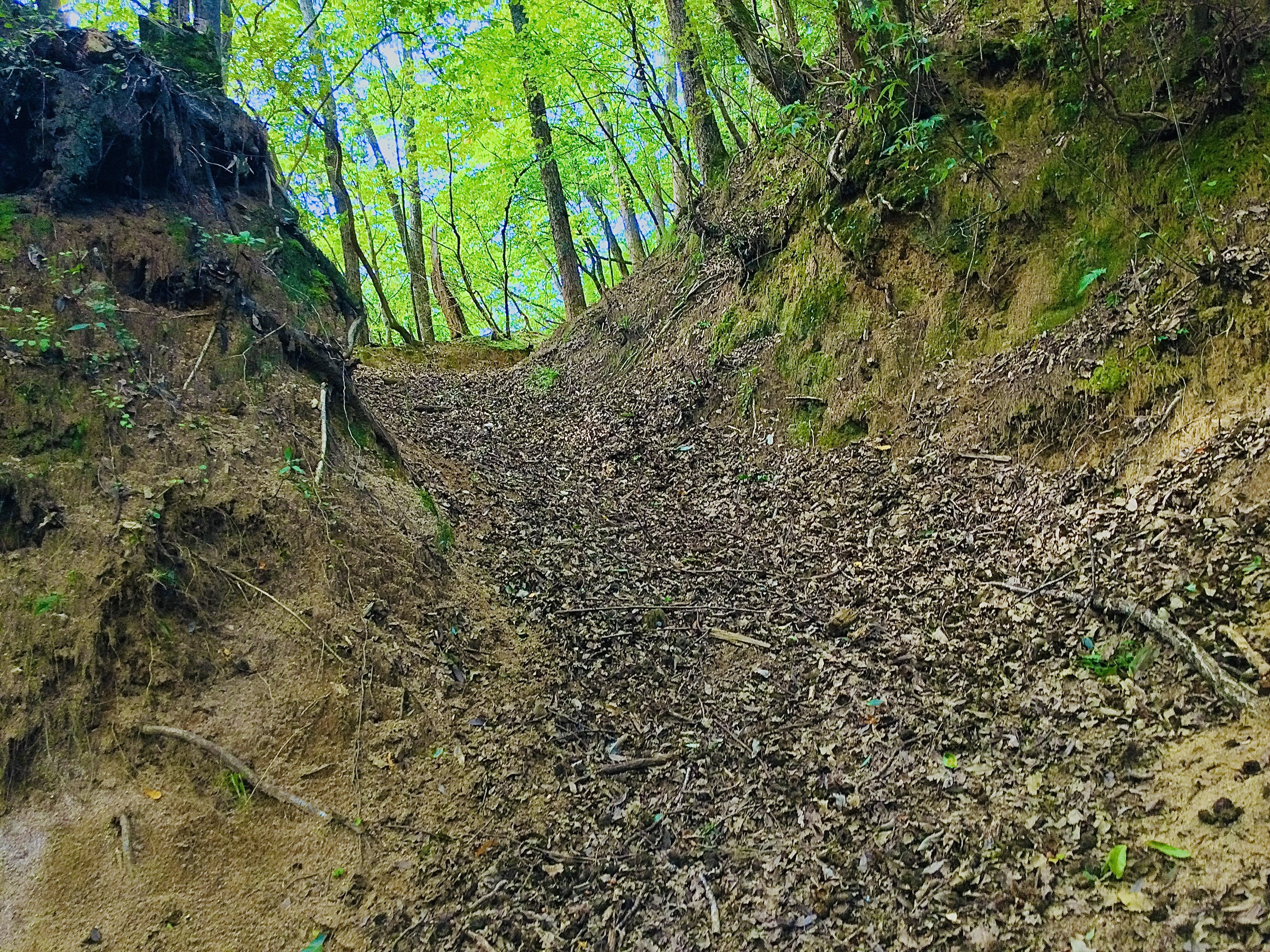
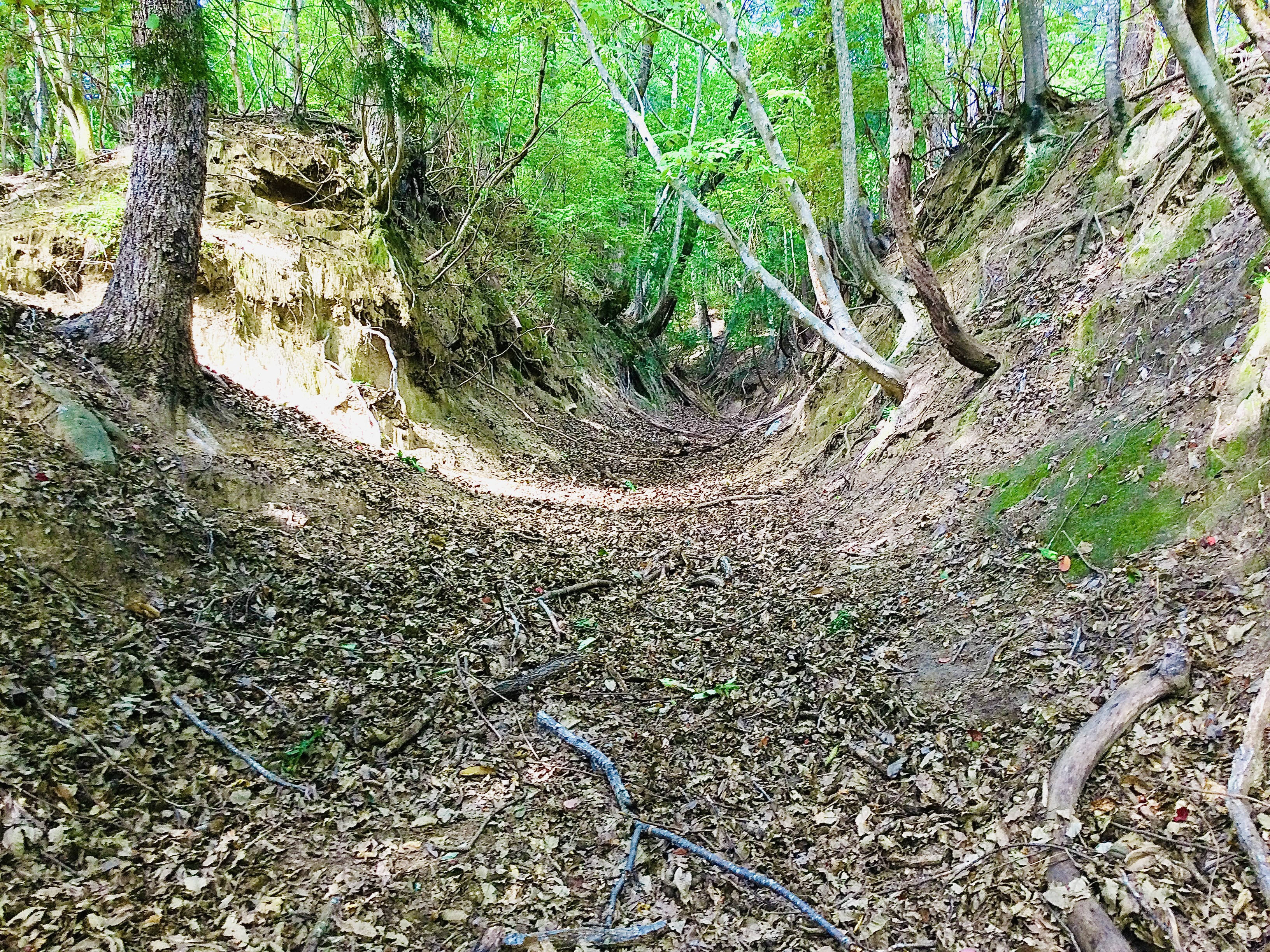
とはいえ今もすれ違うことはまずない静かな登山道…
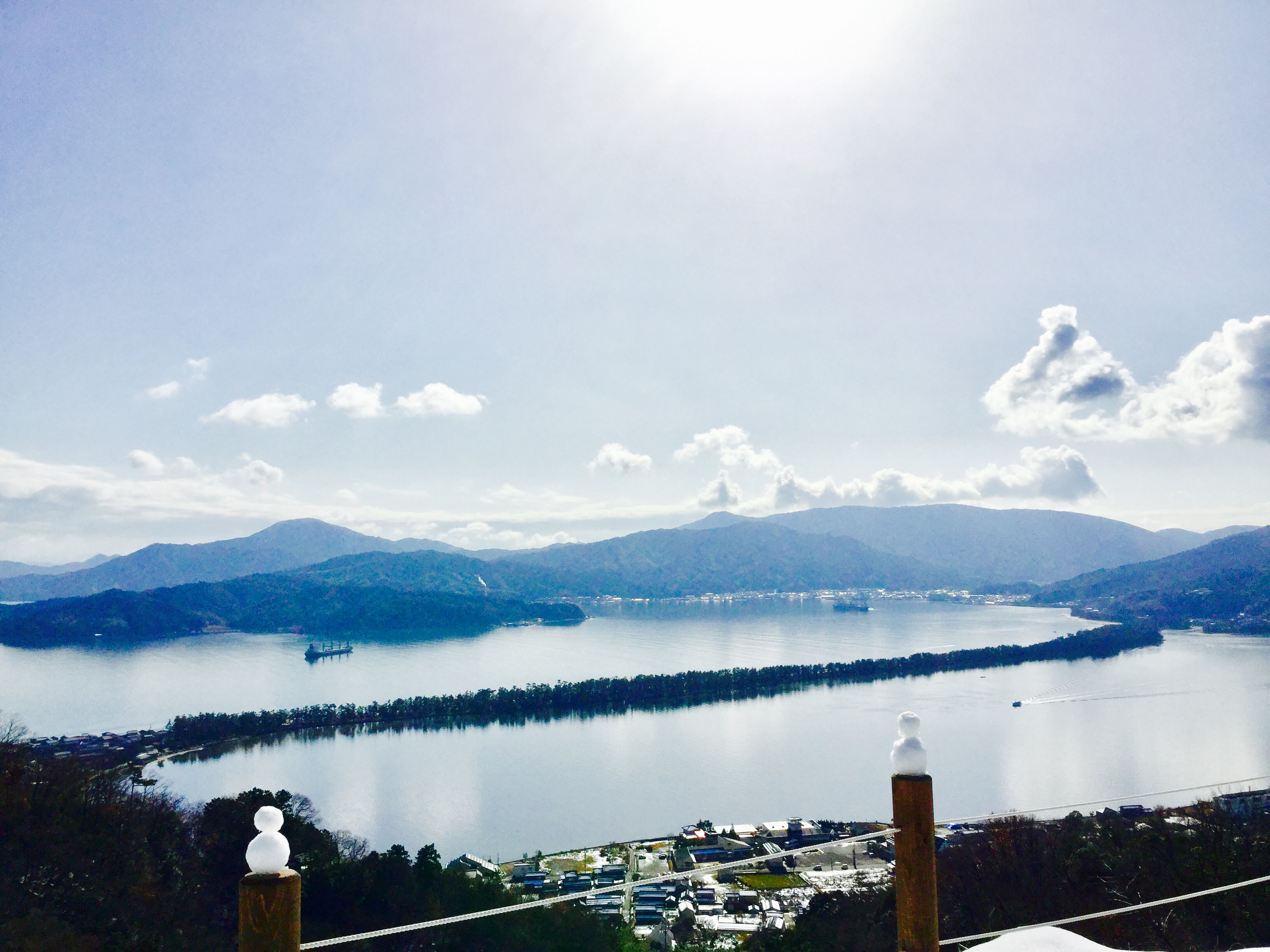
アクセス難易度 ★★★★★
成相本坂道分岐
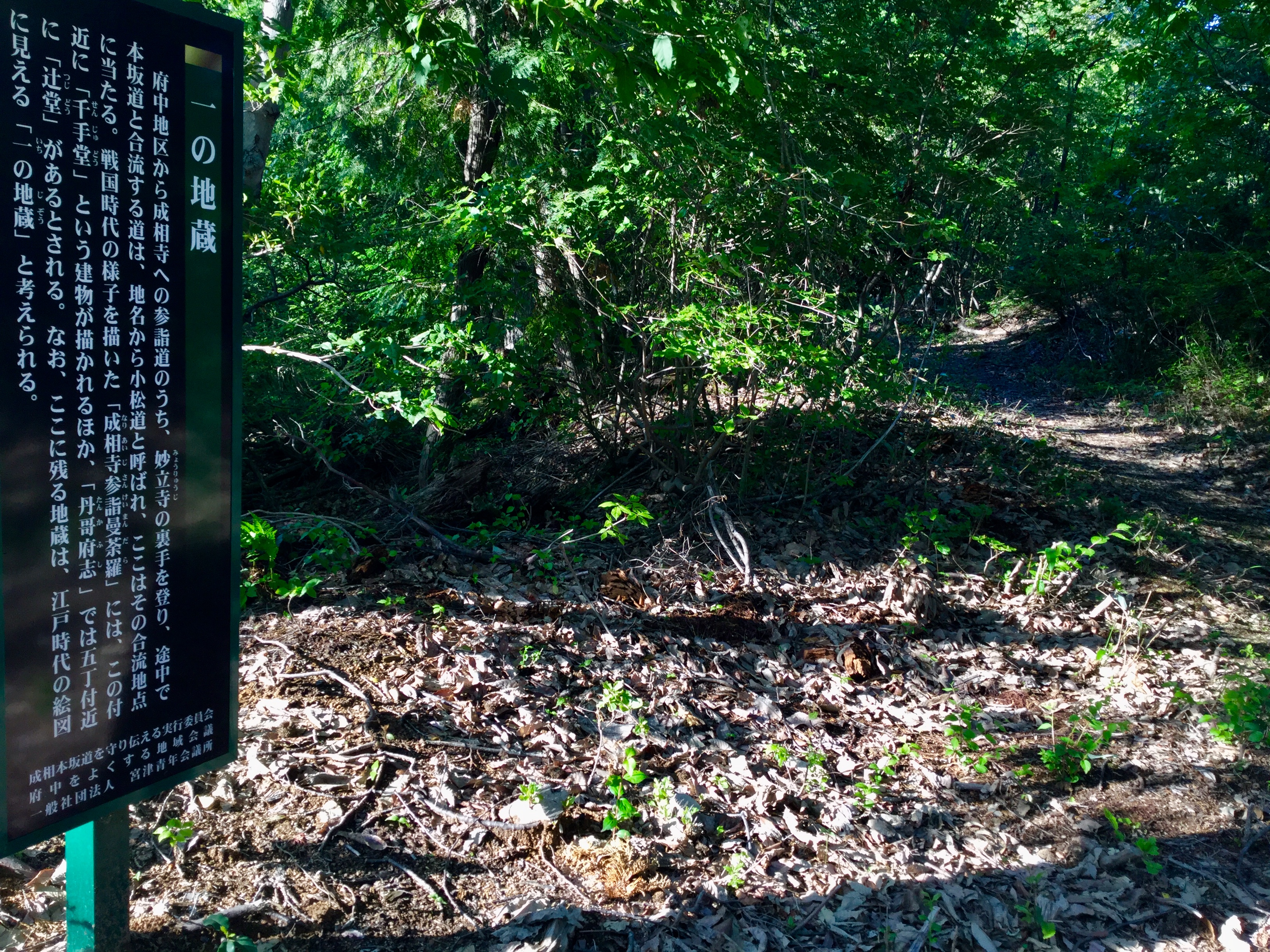
中野妙立寺裏から登ると、成相本坂道「一の地蔵」に合流する
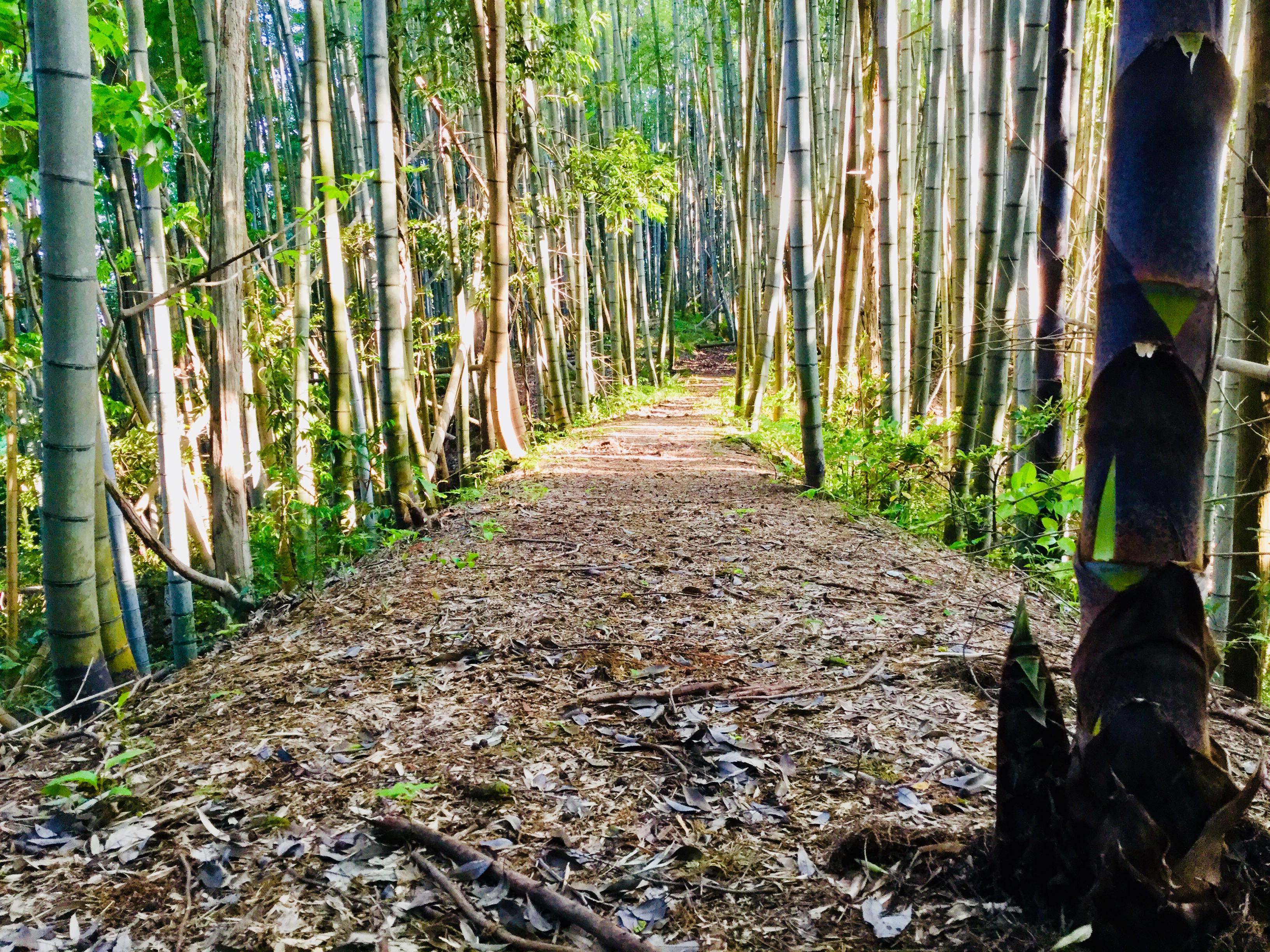
さらに小松に抜ける分岐もあるのか気になるが不明。
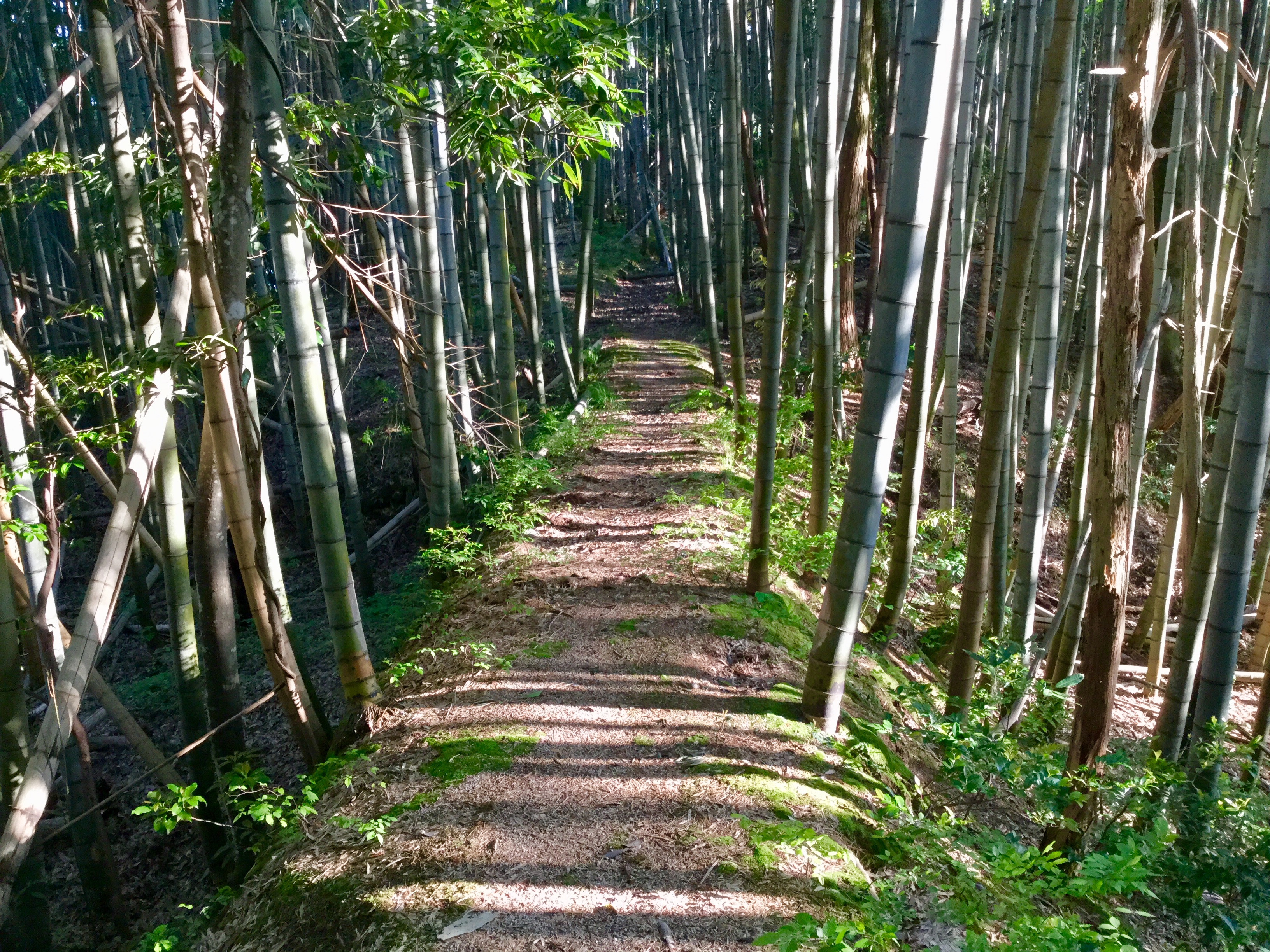
このサブの道があるからこそ、メインを中野「本」坂と名付けた説を唱える私。
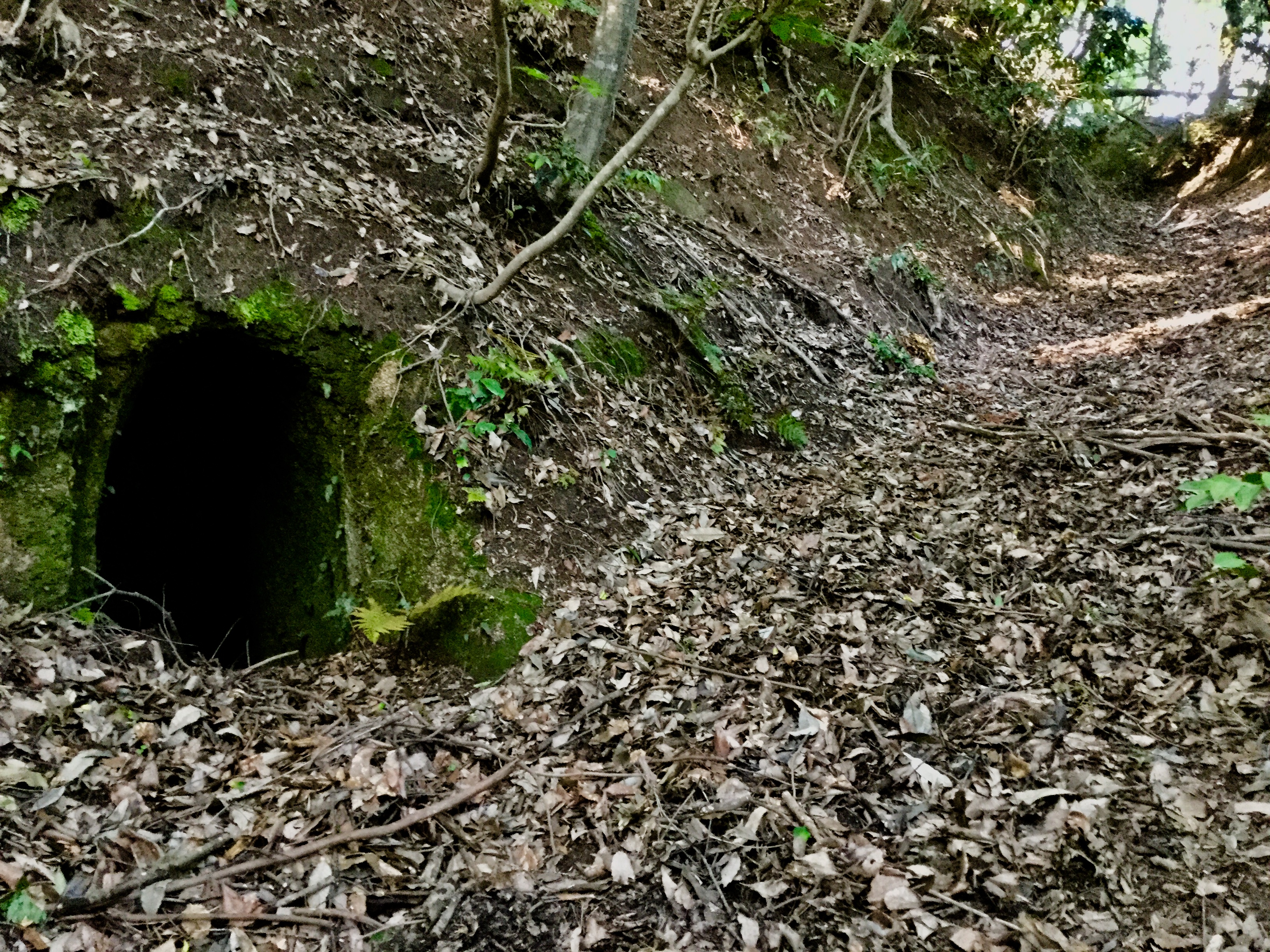
大きな藤の木があるらしいが、見つからなかった。
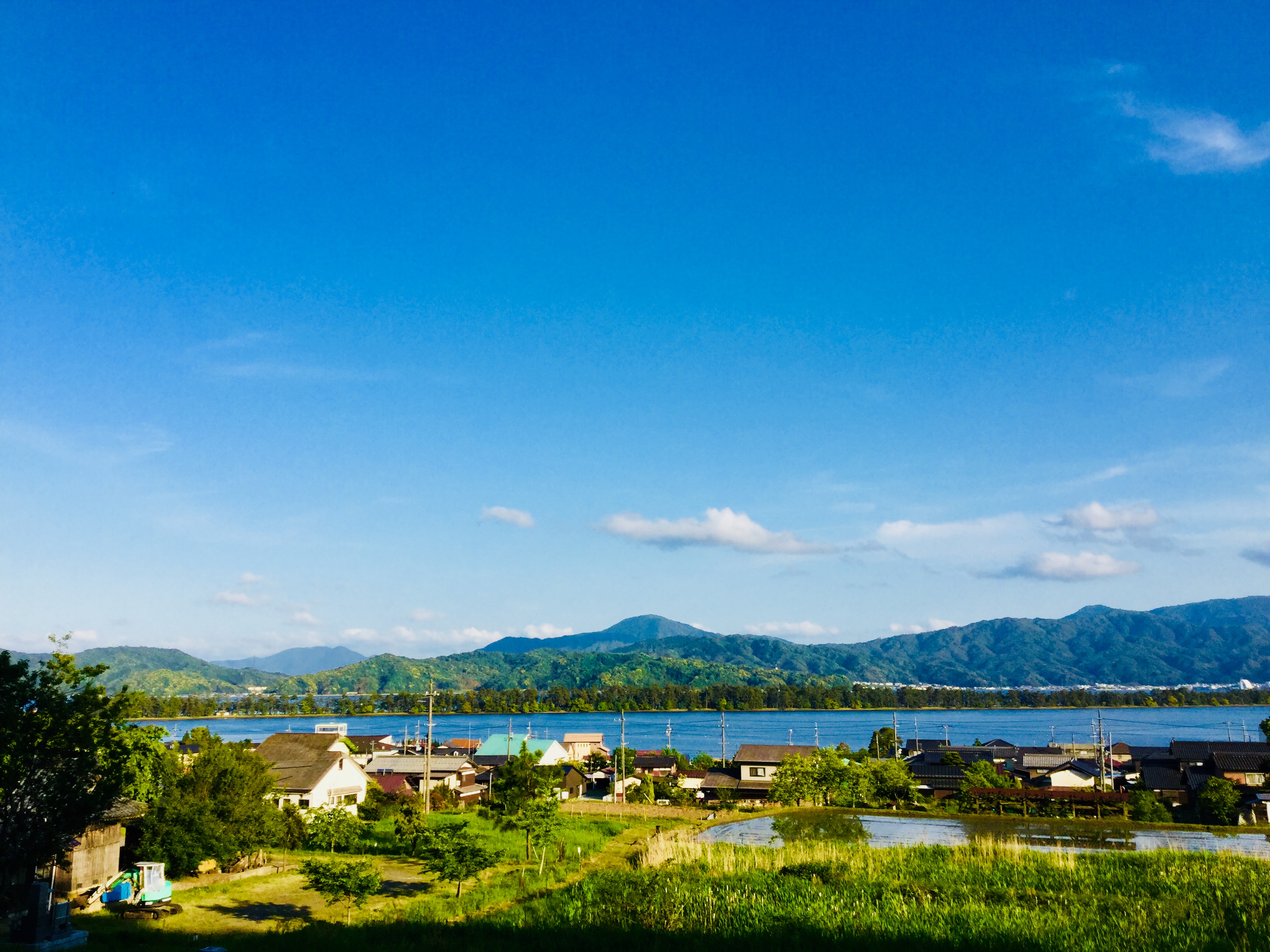
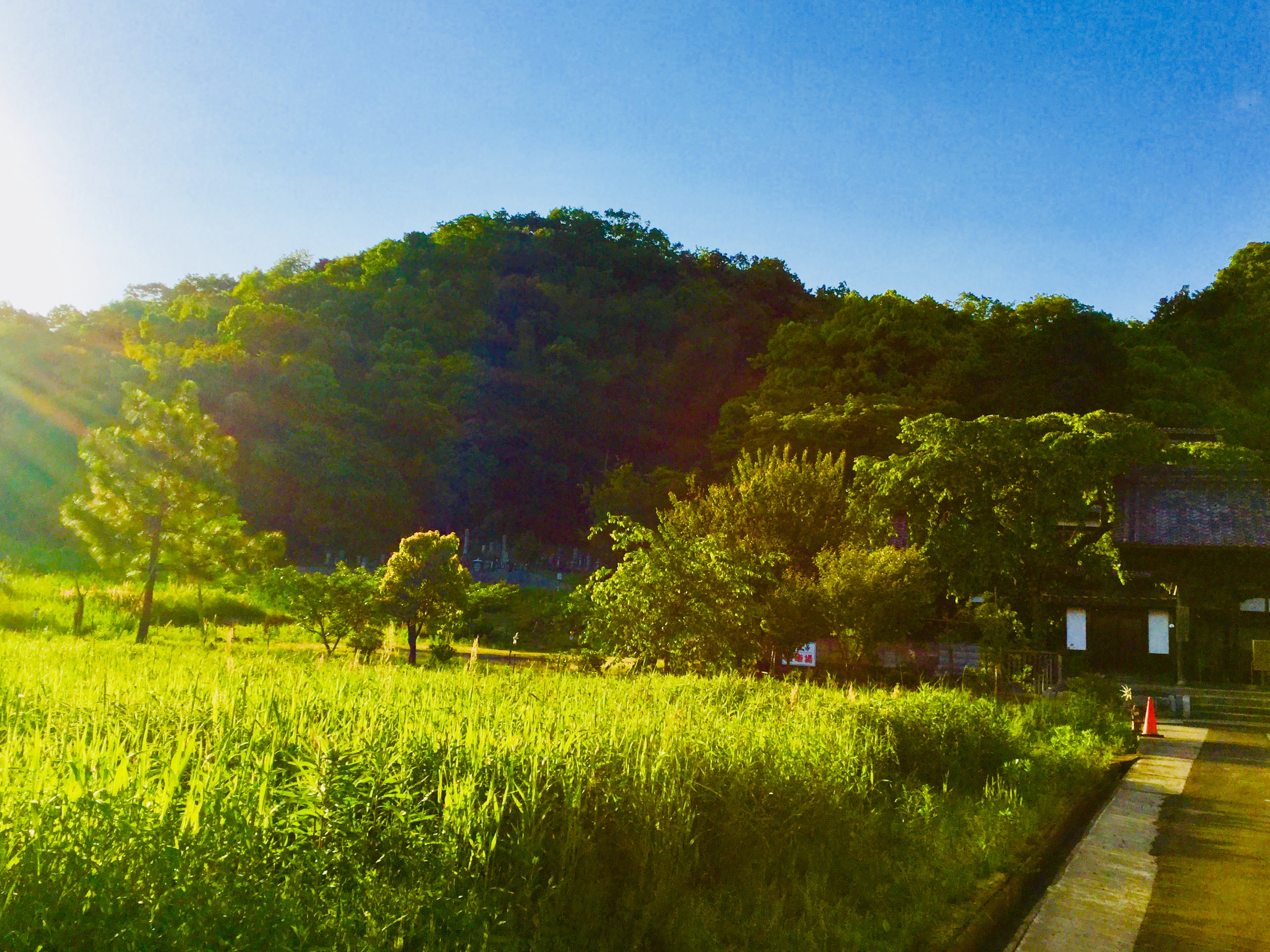
アクセス難易度 ★★★★★★
Medieval Pilgrimage Route
After several decades of disuse and two rounds of restoration, the Nariai Hon-saka Path has once again been revived as a pilgrimage route. Along the way, you’ll find an observatory that is well worth a stop. The breathtaking view that came to be known as one of Japan’s Three Most Scenic Views (Nihon Sankei) was originally admired from this very spot.
Kaibara Ekiken and the View of Amanohashidate
Kaibara Ekiken, a renowned Confucian scholar of the Edo period, praised Amanohashidate as one of Japan’s Three Scenic Views.In his travel diary Kishi Kiko , he described his deep impression upon seeing Amanohashidate from the pilgrimage path to Nariai-ji Temple—the very Nariai Hon-saka Path.Today, that location is known as the Ekiken Viewpoint (Ekiken-kan Tenbojo).
His Writings
In Kishi Kiko, Kaibara Ekiken wrote that it was “fitting to call Amanohashidate one of Japan’s Three Scenic Views,” expressing high admiration for its beauty.
The Location
The place where he witnessed the view is believed to be along the main pilgrimage route leading to Nariai-ji Temple.
The Modern Viewpoint
Today, the site is called the Ekiken Viewpoint, offering a sweeping panorama of Amanohashidate and its surrounding landscape.
Historical Significance
Ekiken’s words helped spread the fame of Amanohashidate as one of Japan’s most celebrated scenic locations.
A Precious Pilgrimage Route
Although the observatory and walking paths have been beautifully restored, the small roadside Jizo statues were long forgotten.Through recent efforts, many of these statues have been unearthed. As you walk the path, take time to appreciate the moss-covered statues exposed to the elements, and imagine the lively pilgrimage journeys of centuries past.
成相小松道
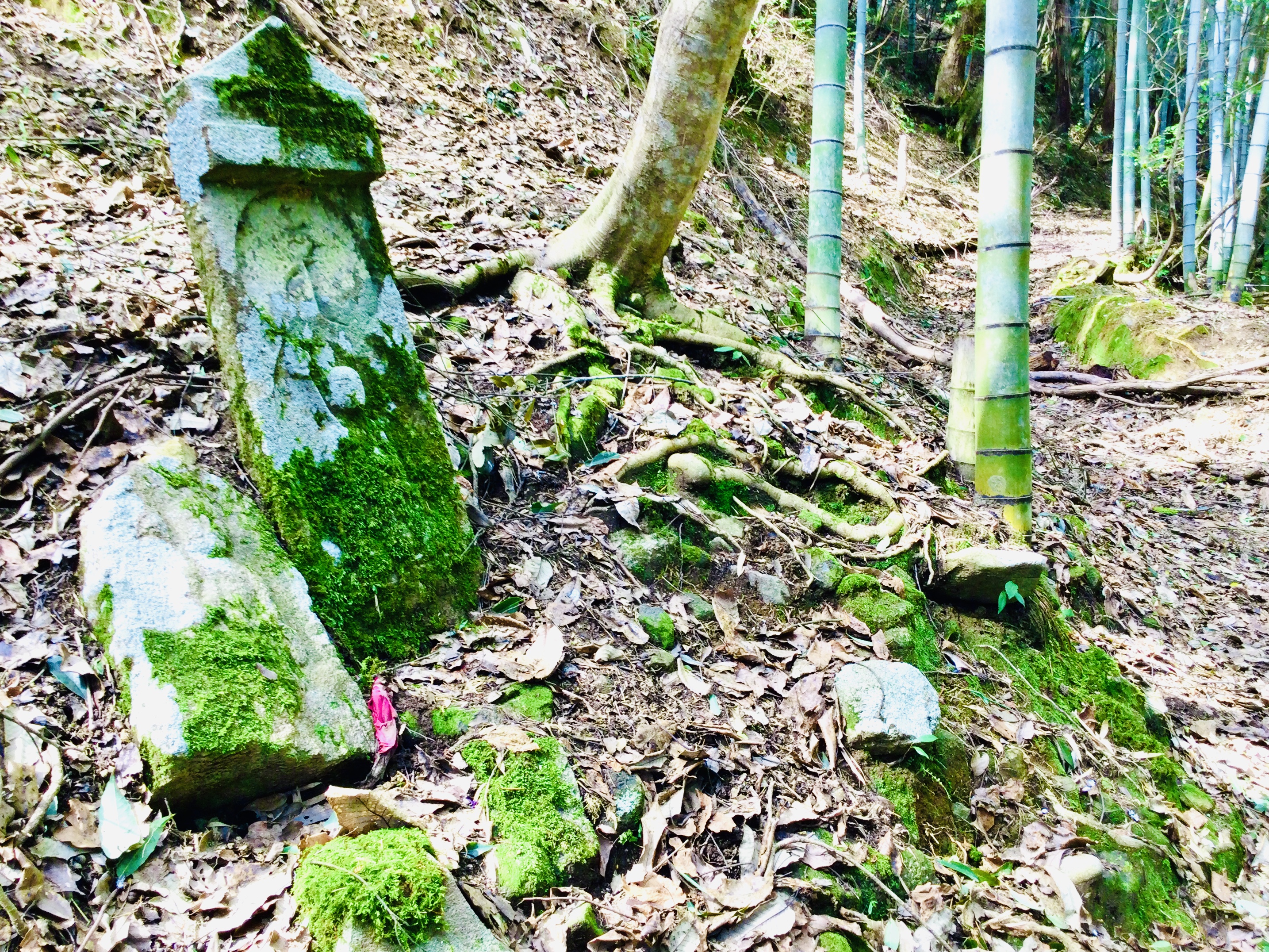
小松川沿いに行く道と尾根沿いに行く道と2つあった。多分小松道(独断)
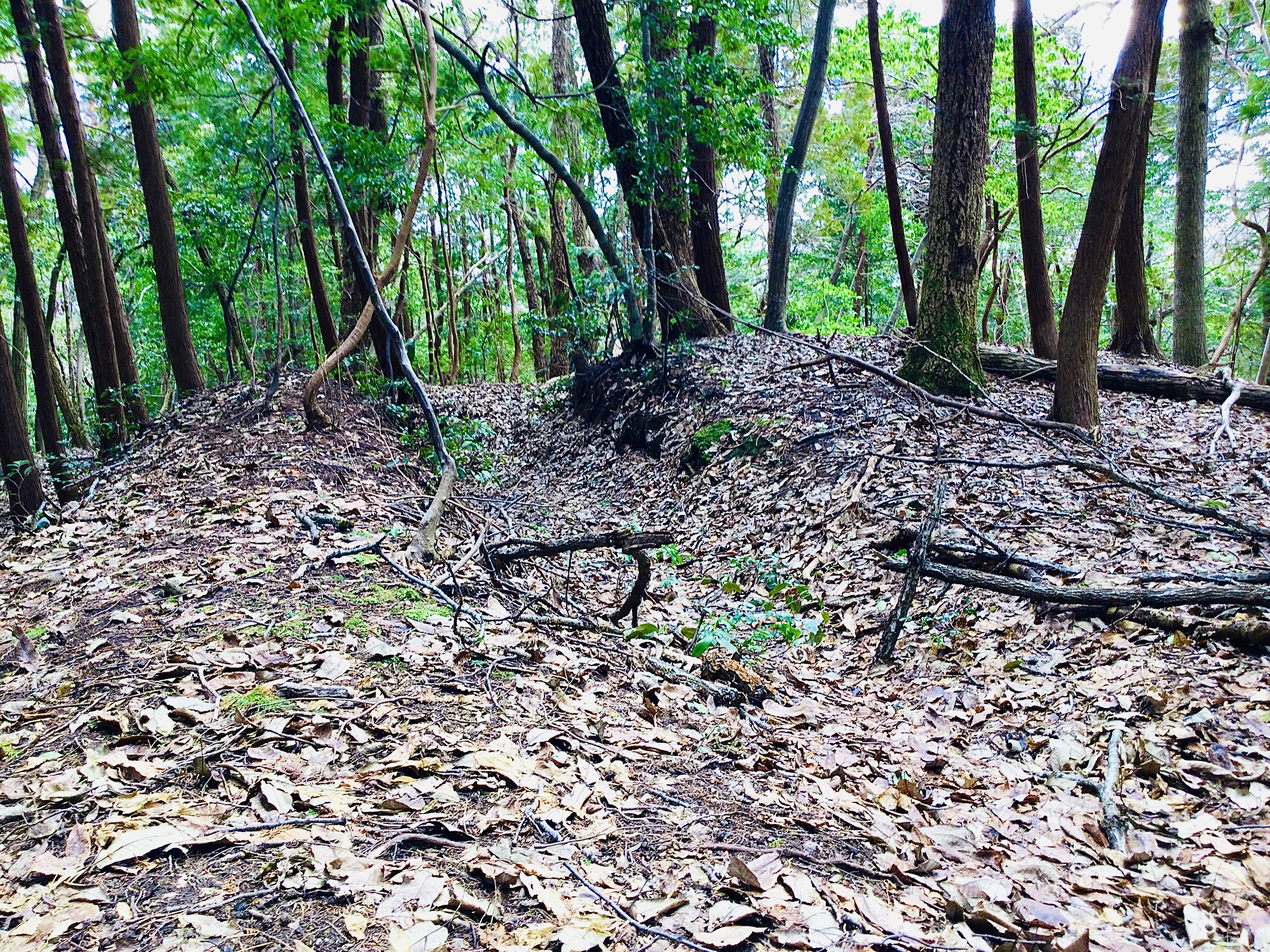
尾根ルートを歩いてみた。多分お大師道に合流して成相寺へ至るはず。
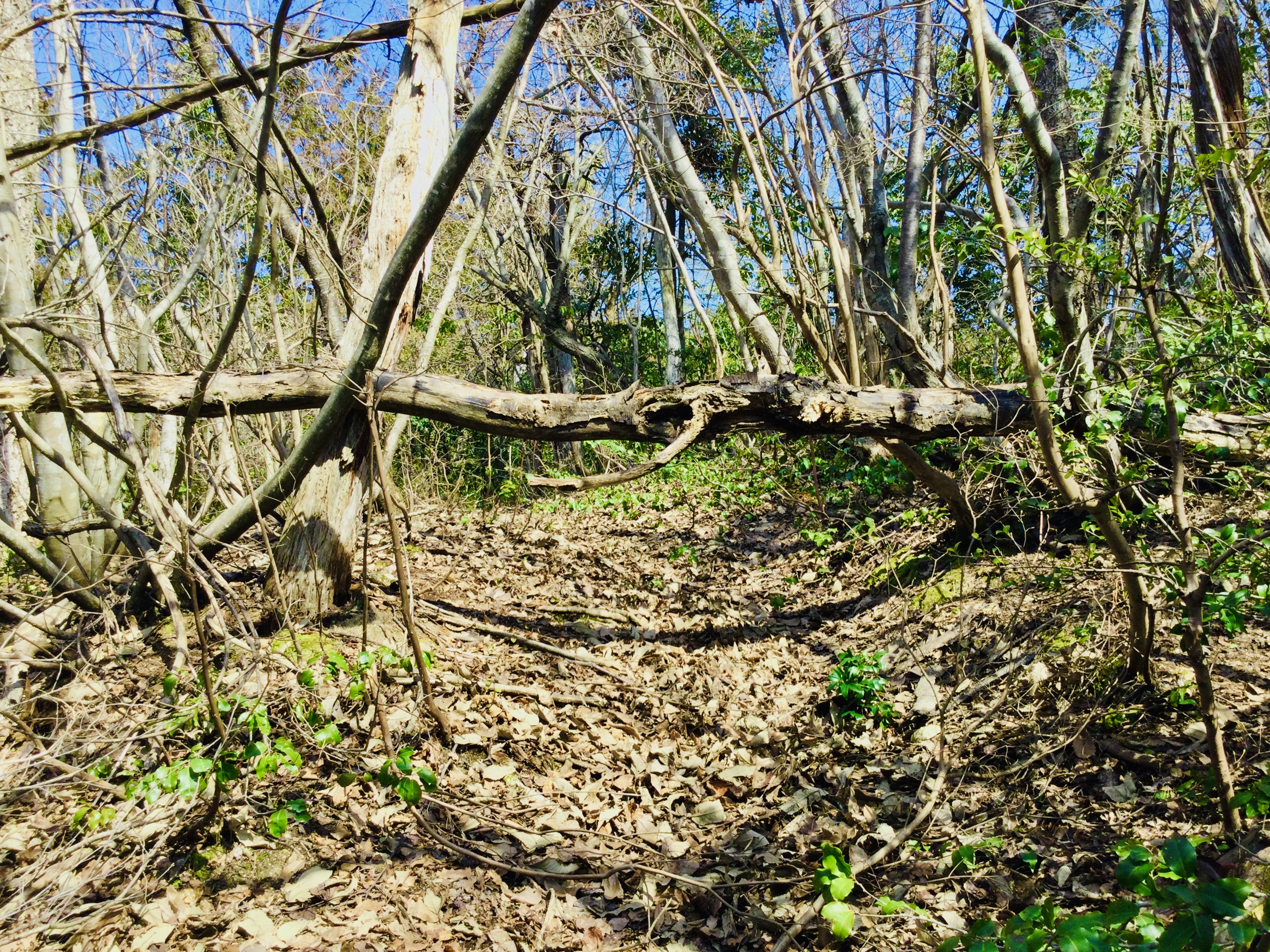
一見自然な倒木に見えるが、近くに切株は無かった。「これより先に入るな」という意志を感じる。
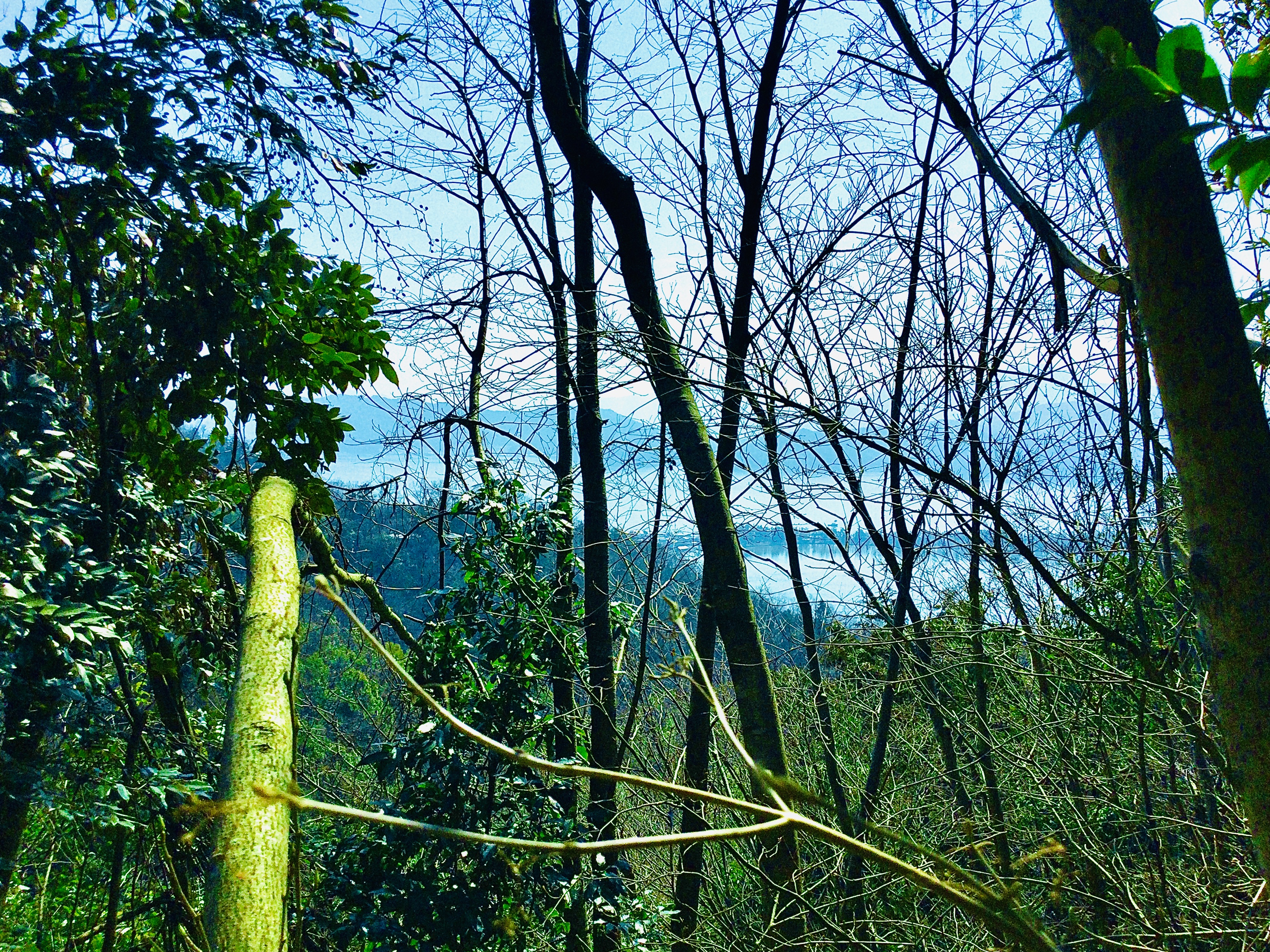
と思ってたら、本当に自治による通行止めだった模様。しなる枝の上に立って天橋立を眺めてから引き返した。
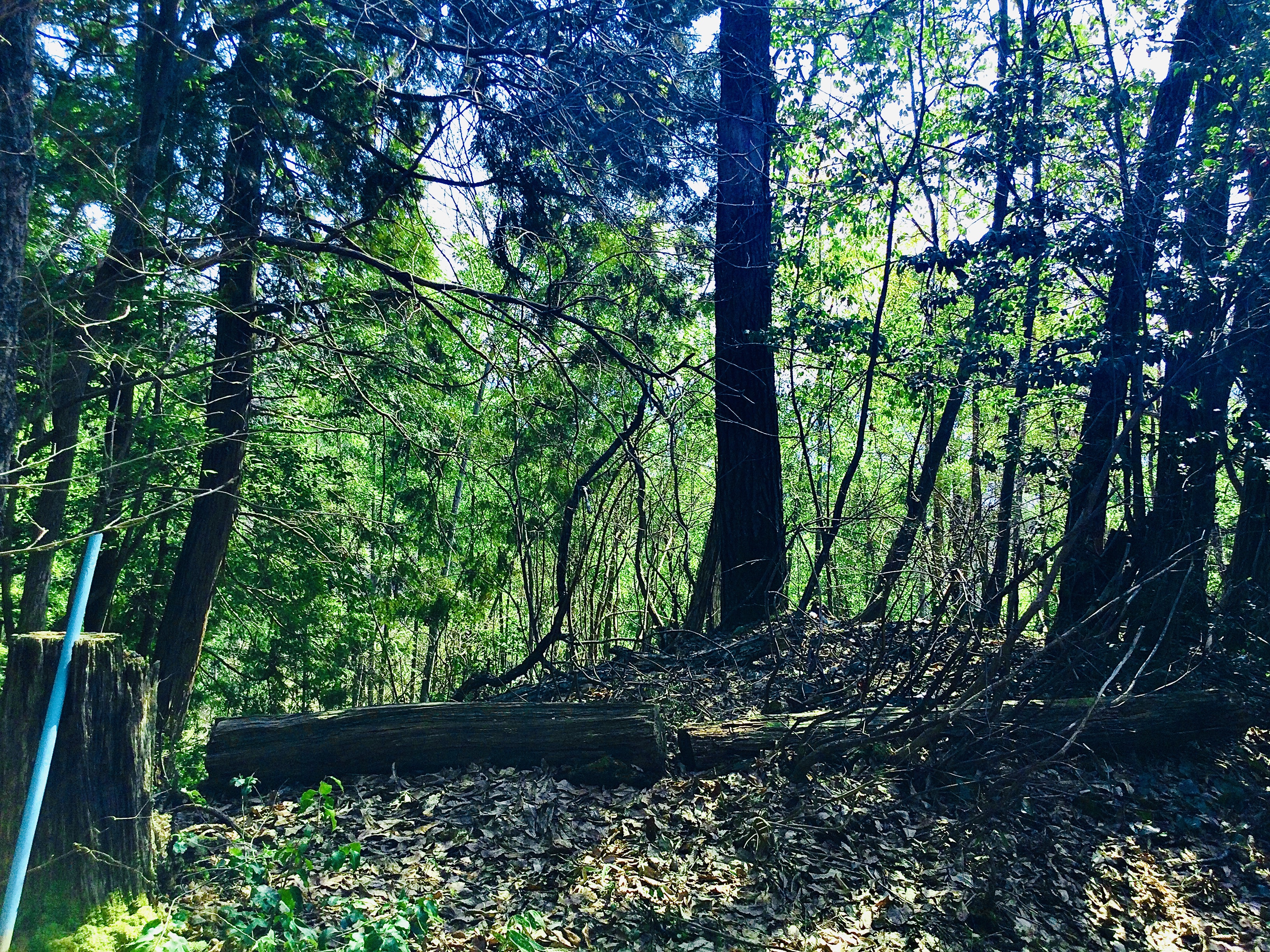
切株だけの簡素な休憩処の面影に、かつての往来を偲ぶのであった…
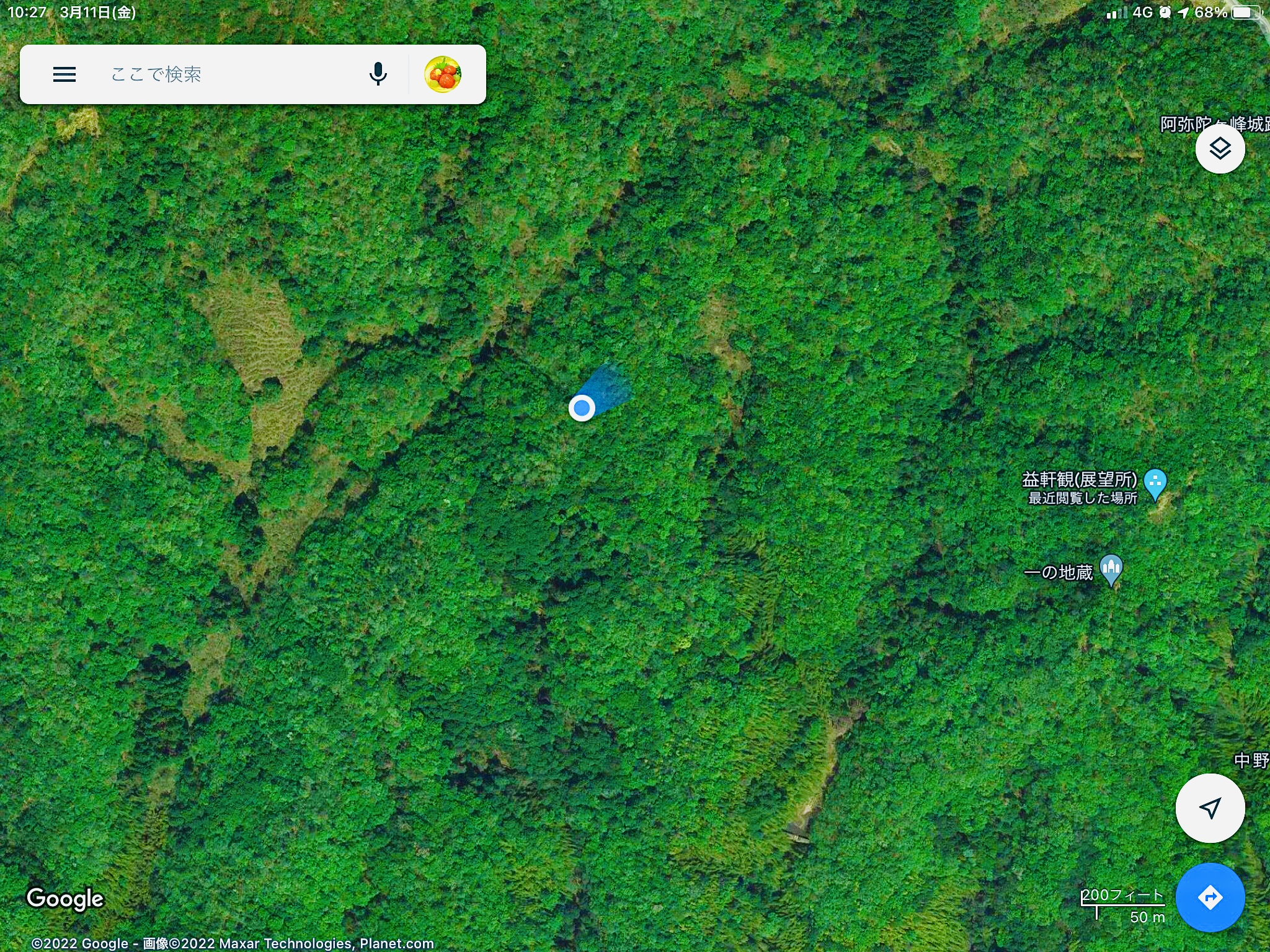
アクセス難易度 ★★★★★★★
西谷道お大師道
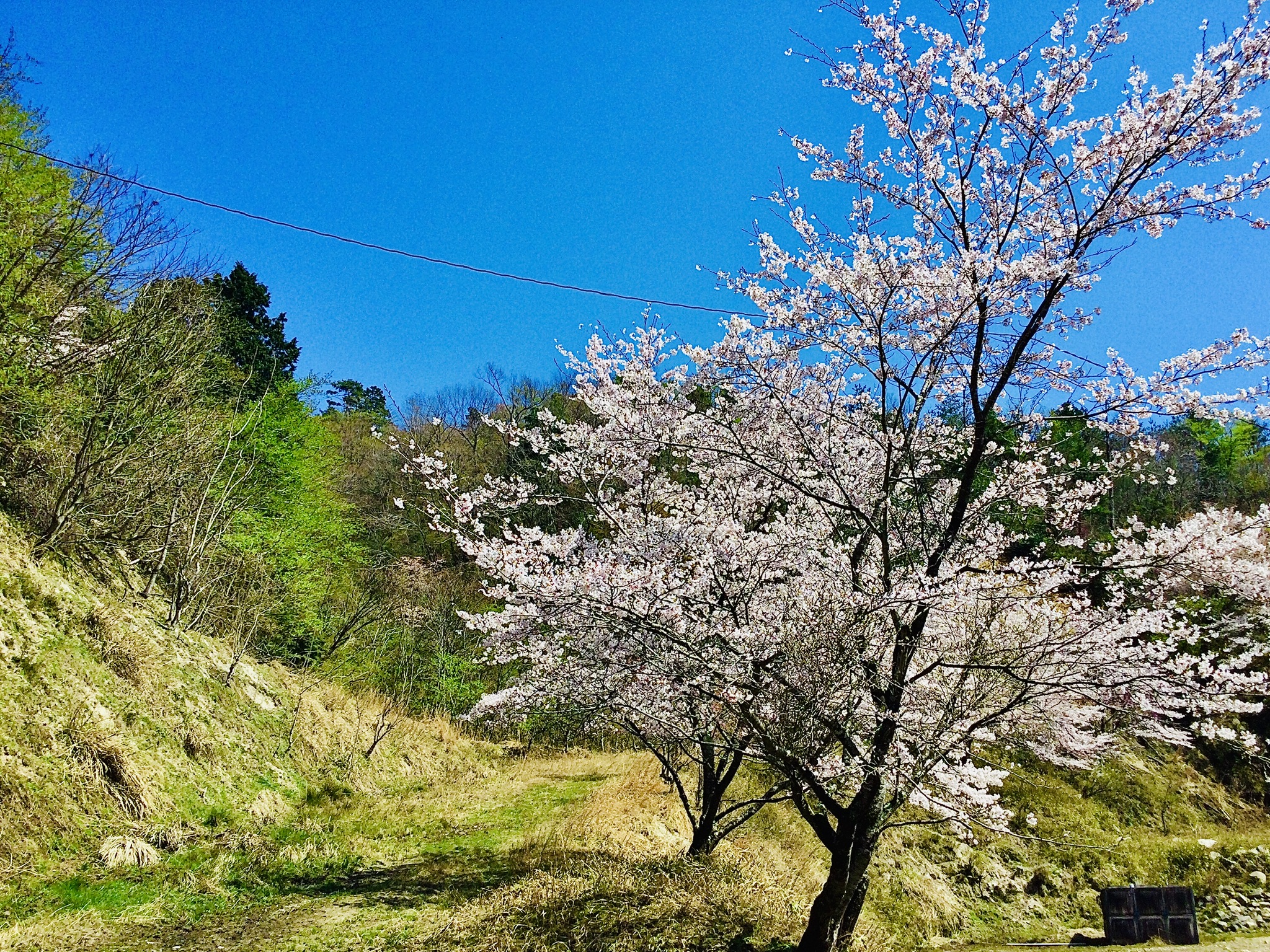
資料館から成相寺へ続く西谷道から重機で整備されたであろう歩きやすい支道へと進んだ。
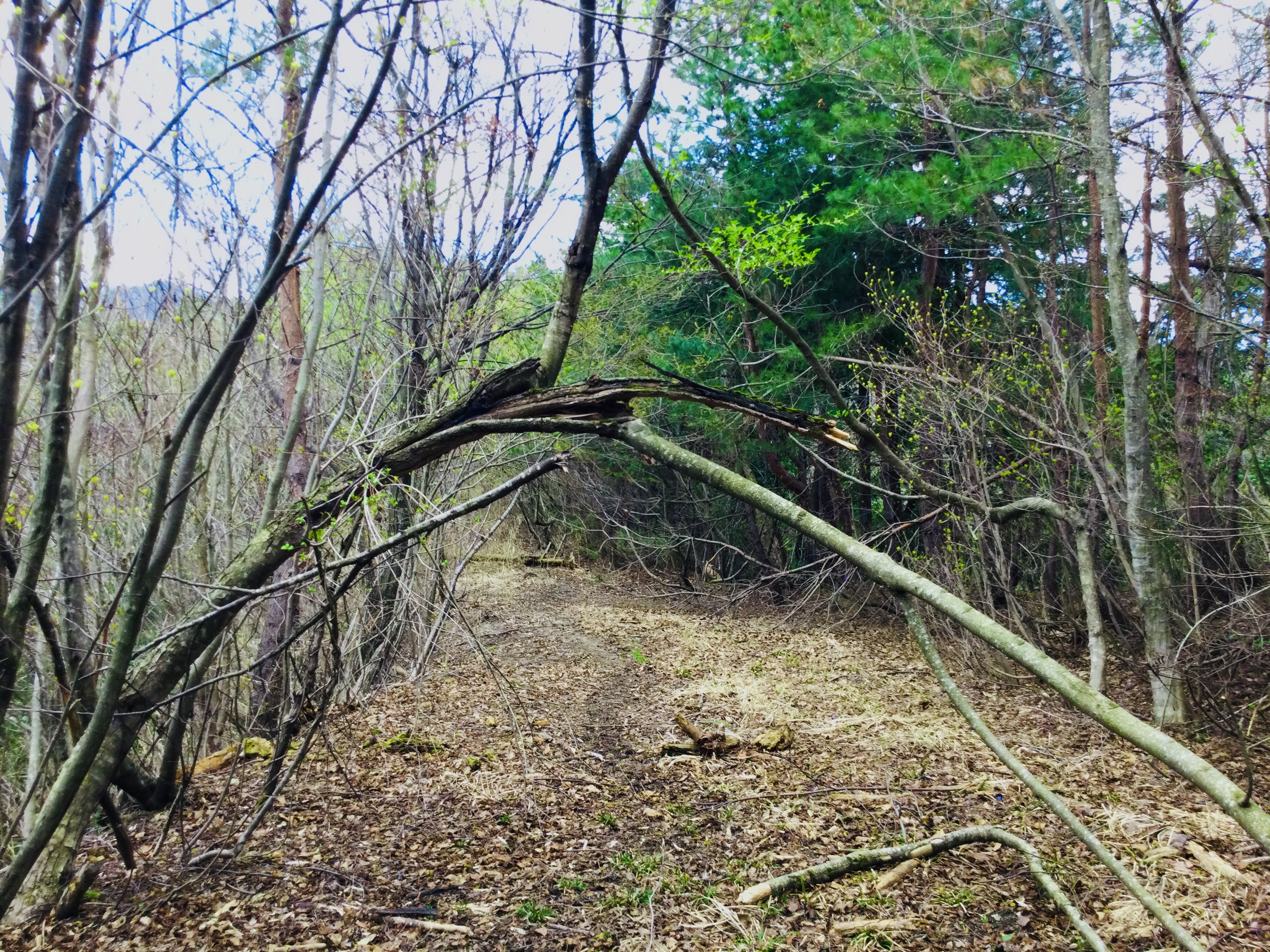
ウエルカムゲートと思いきや、倒木で通せんぼ。その幹には「歩く僧侶」のようなシルエットが浮かんでいた。
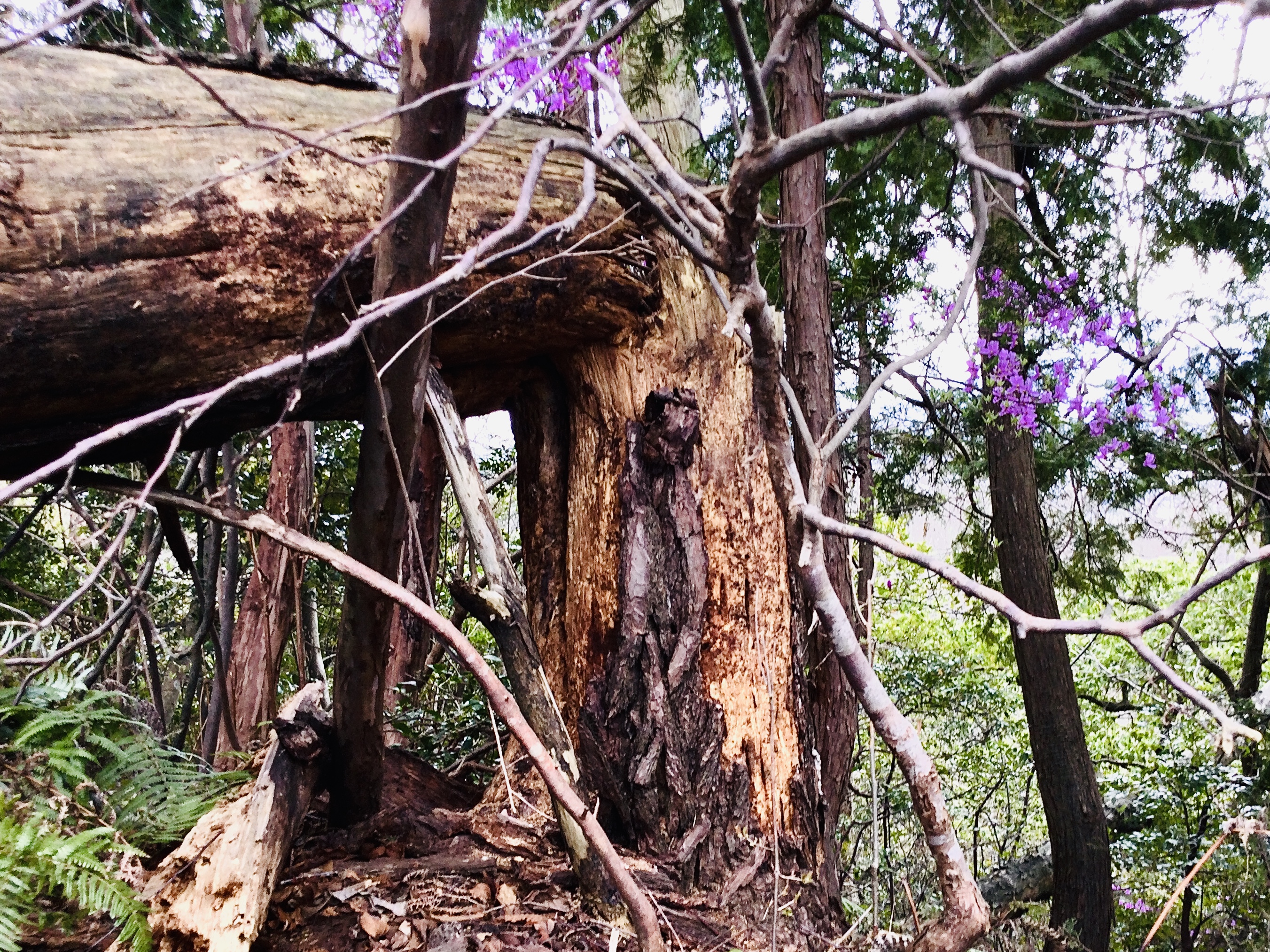
アクセス難易度 ★★★★☆
成相お大師道

国分寺裏から進むと、平地が段々状に続いており、かつて人が居住していたのかなと想像。

このカーブにある巨木はもうすぐ倒壊しそうだった。
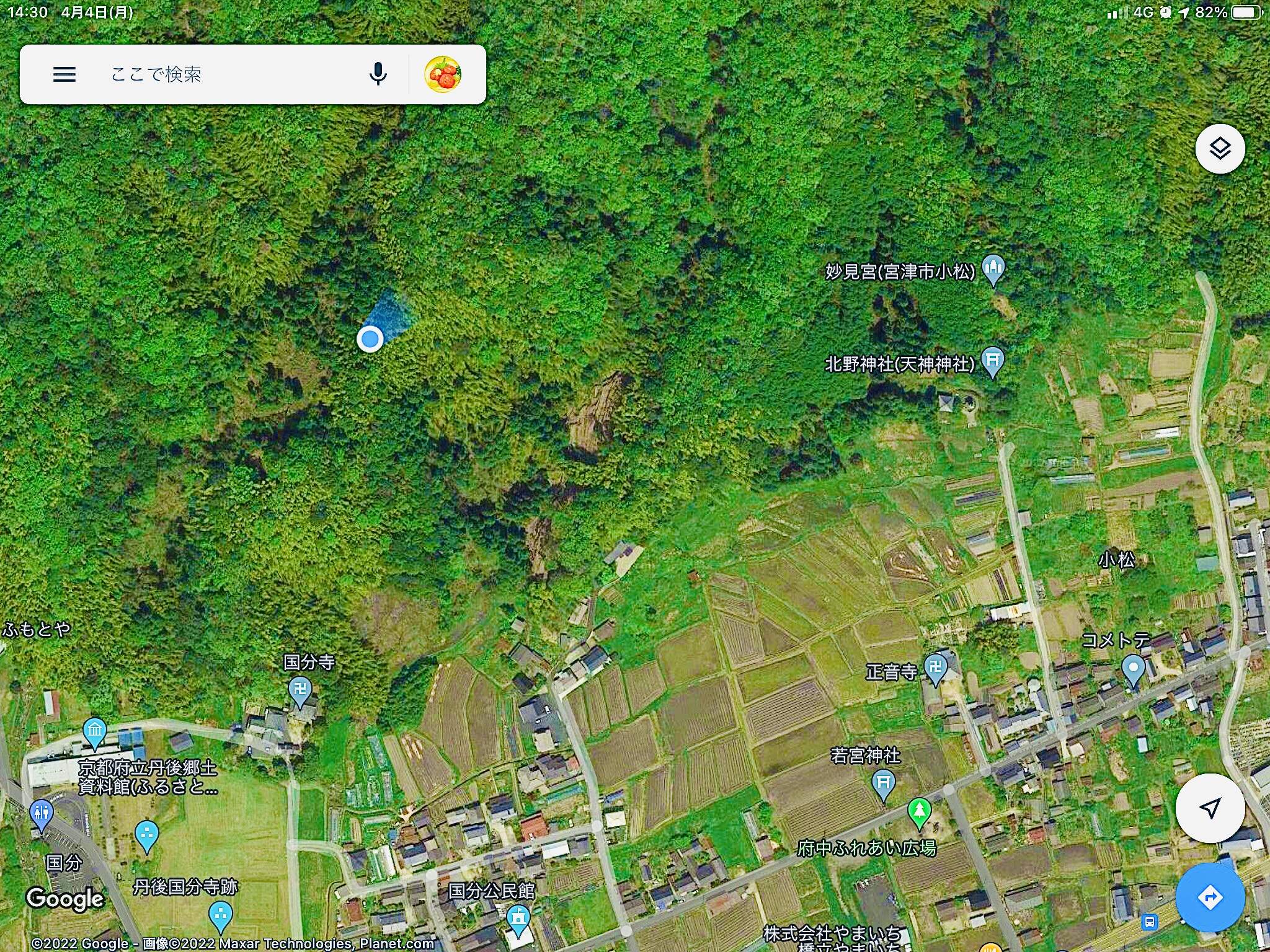
いつも通り、道が無くなってすぐに諦めて引き返す私。
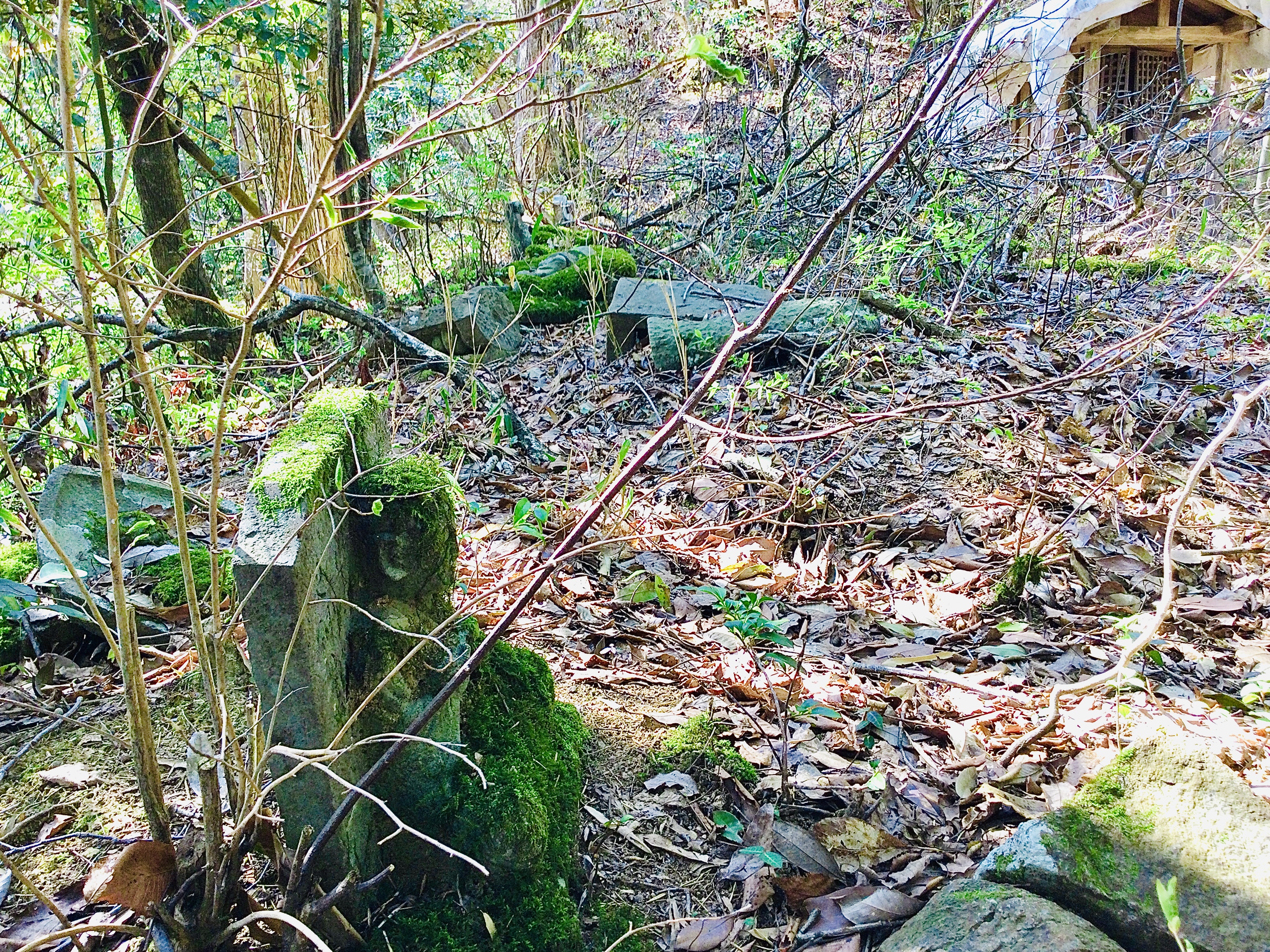
この道がお大師道と言われている理由が分かったのはこの社を見つけた時だった。
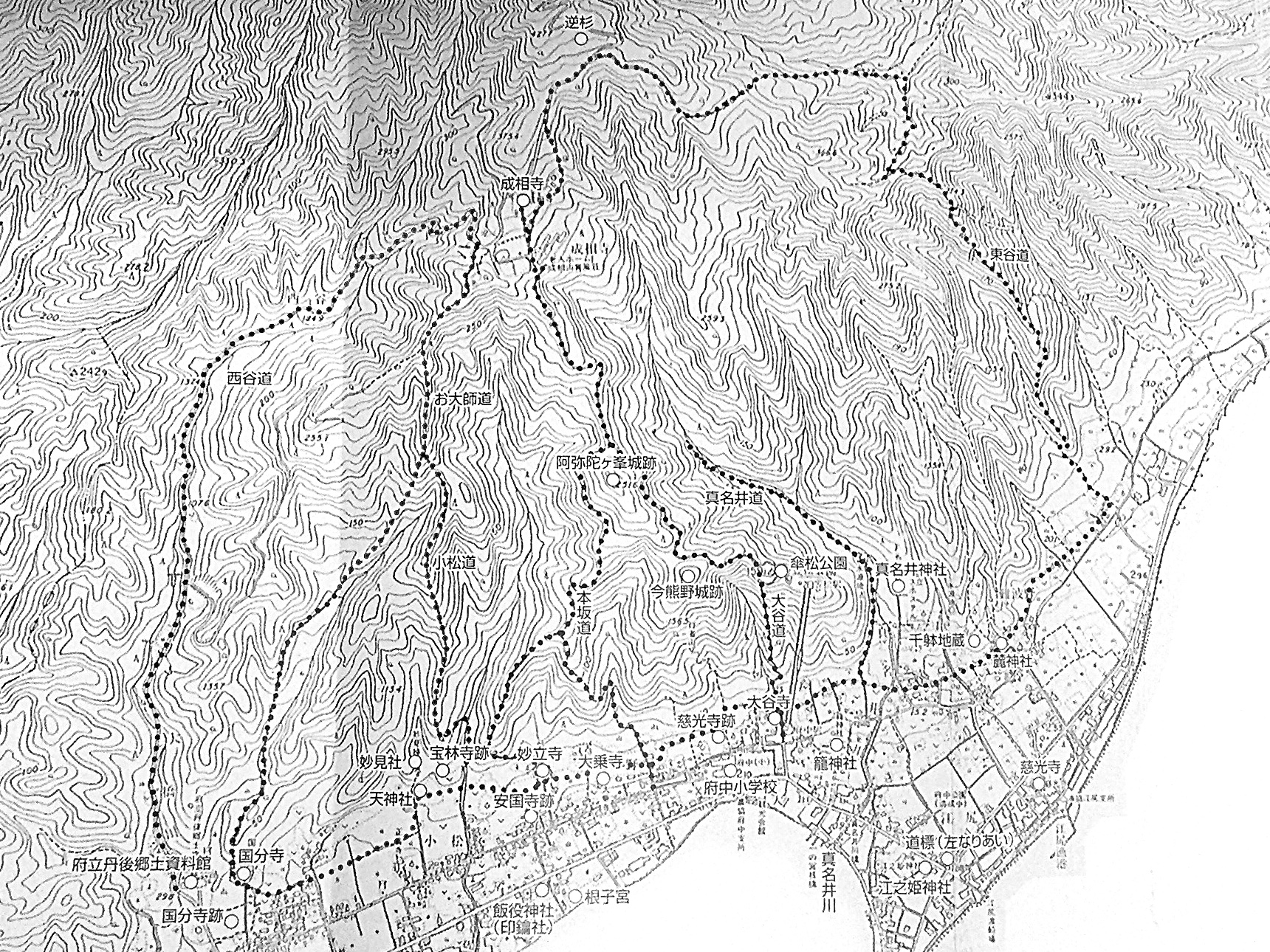
貴重な地図を宮津商工会議所で発見して図書館で借りてきた

アクセス難易度 ★★★★★
行者道
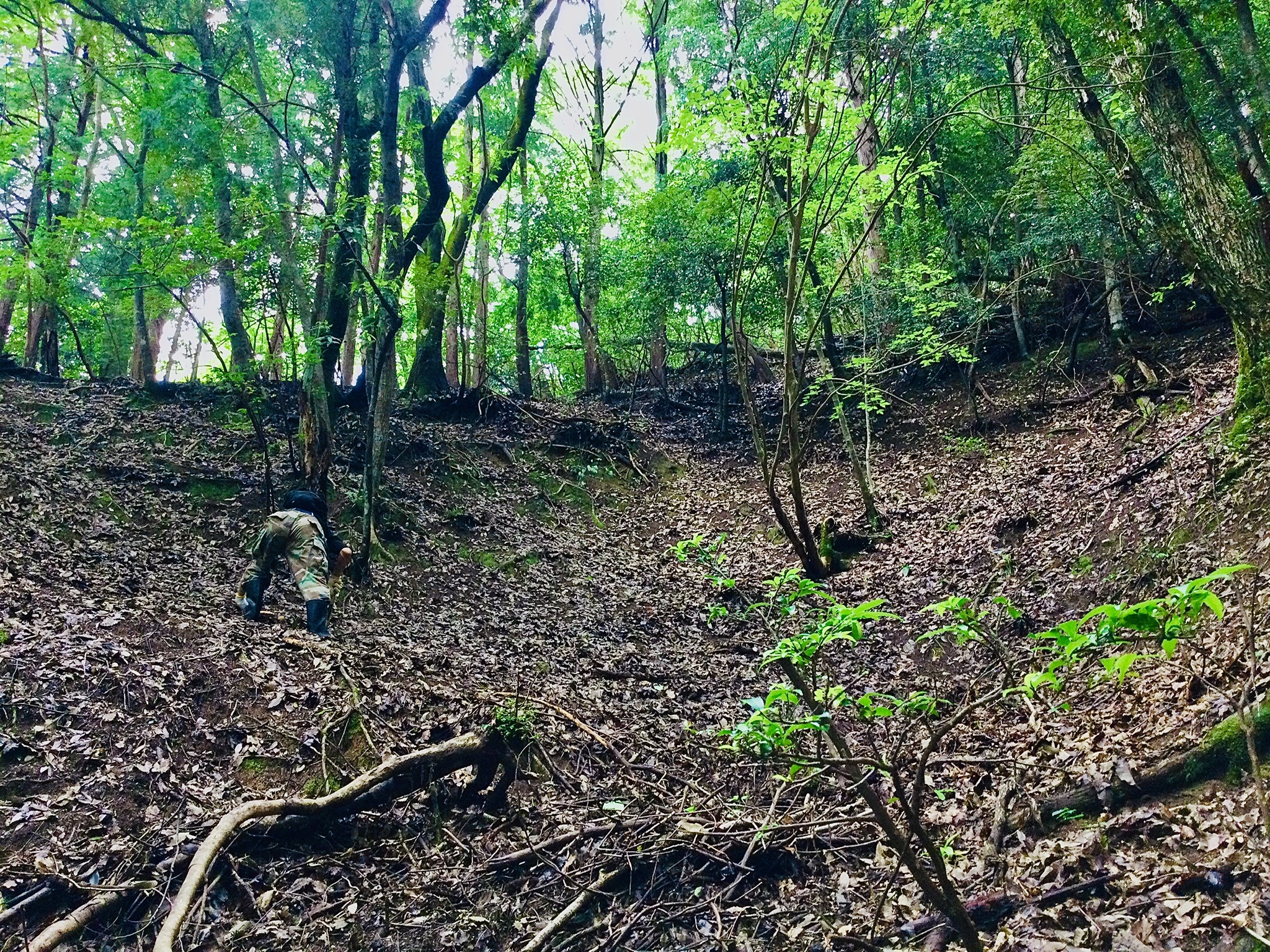
行者堂裏手を西へ向かって斜面を登っていく。案内人は23年丹後スイス村トレイルラン優勝者
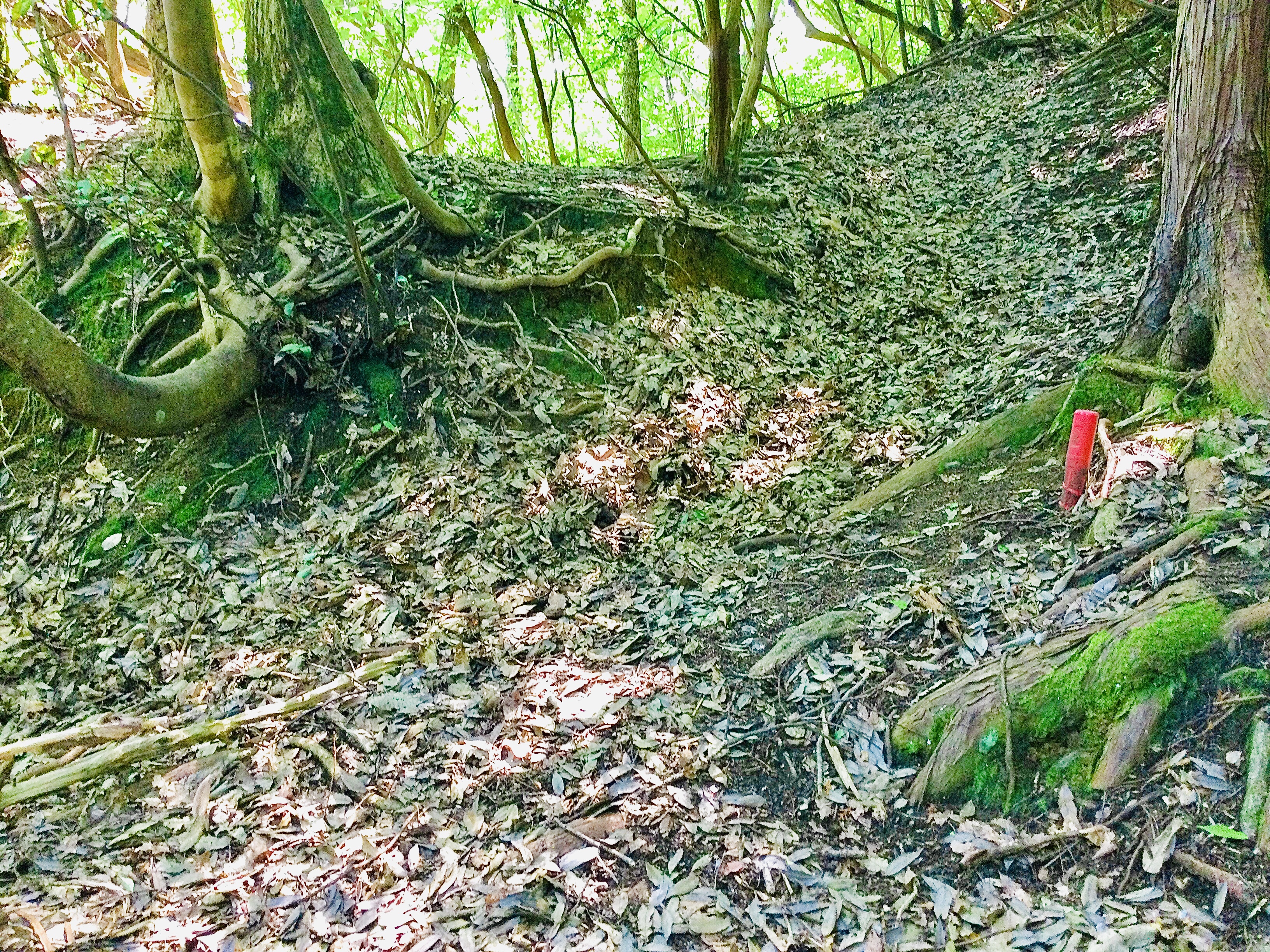
愛宕神社とバス道合流地点と行者堂を繋ぐ交差点
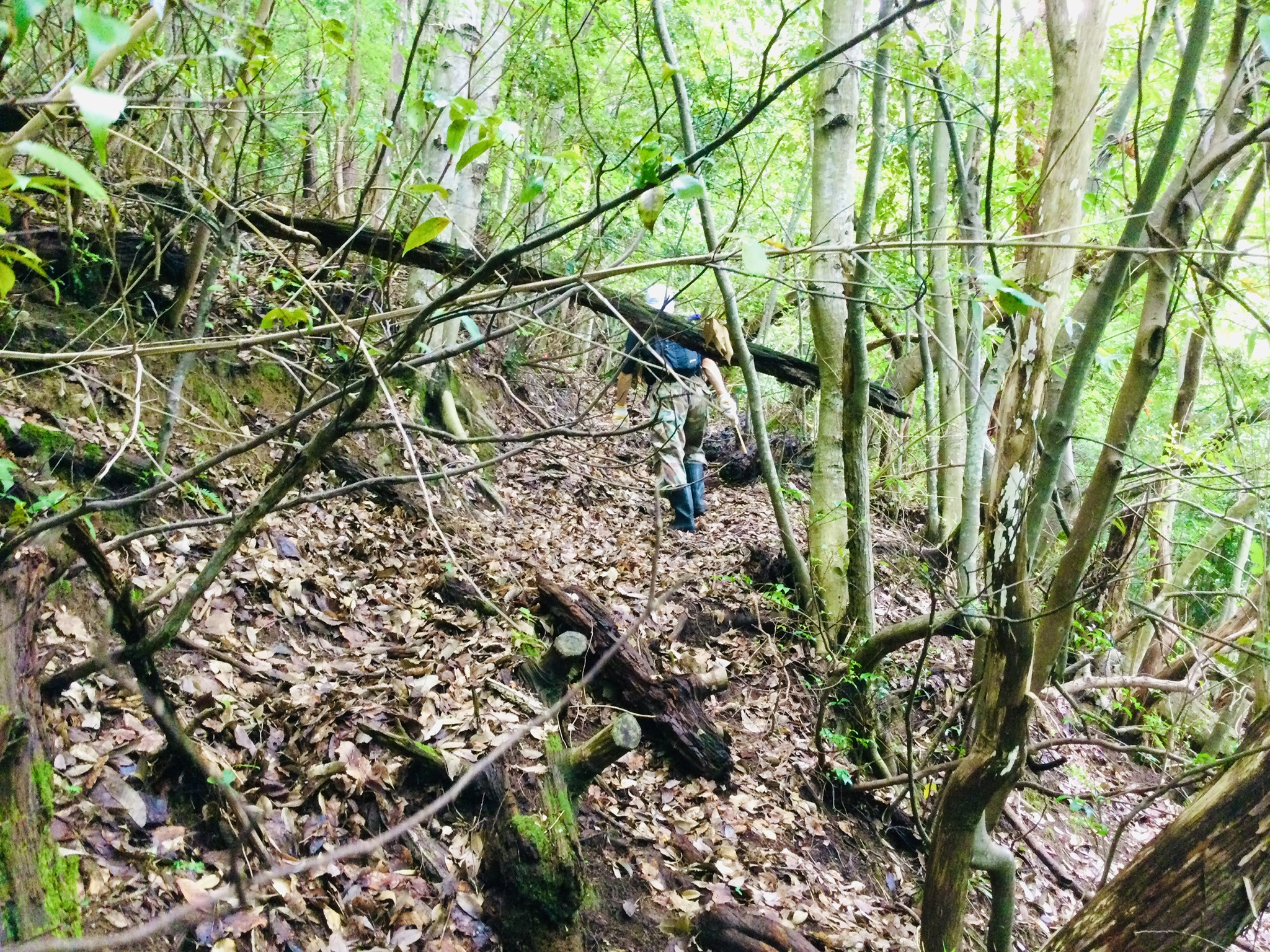
前回1人で行った時は、この道に出ることなくバス道に出てしまった
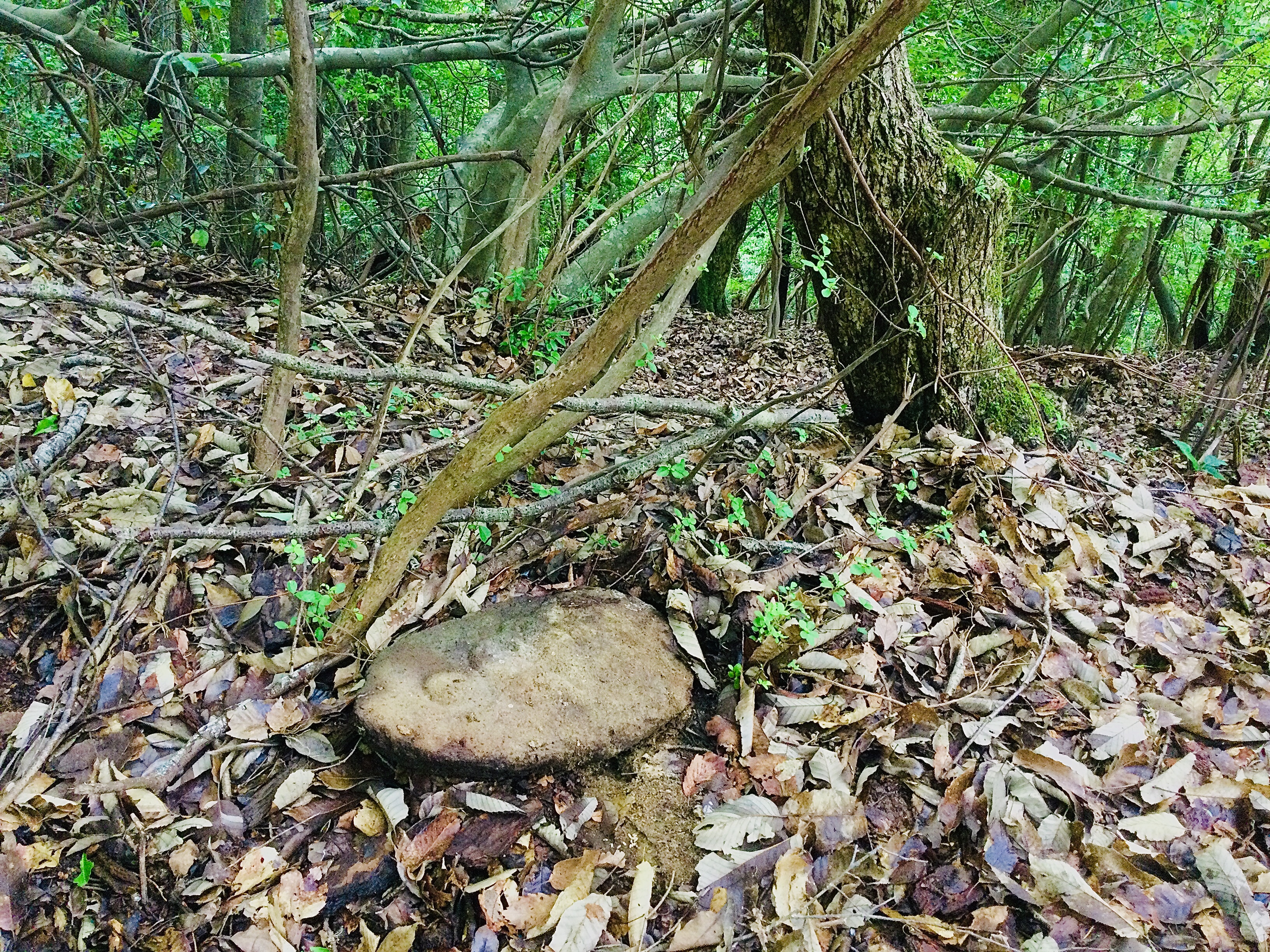
山を駆け抜けるランナーには絶対見つけられないものがある(偉そう)
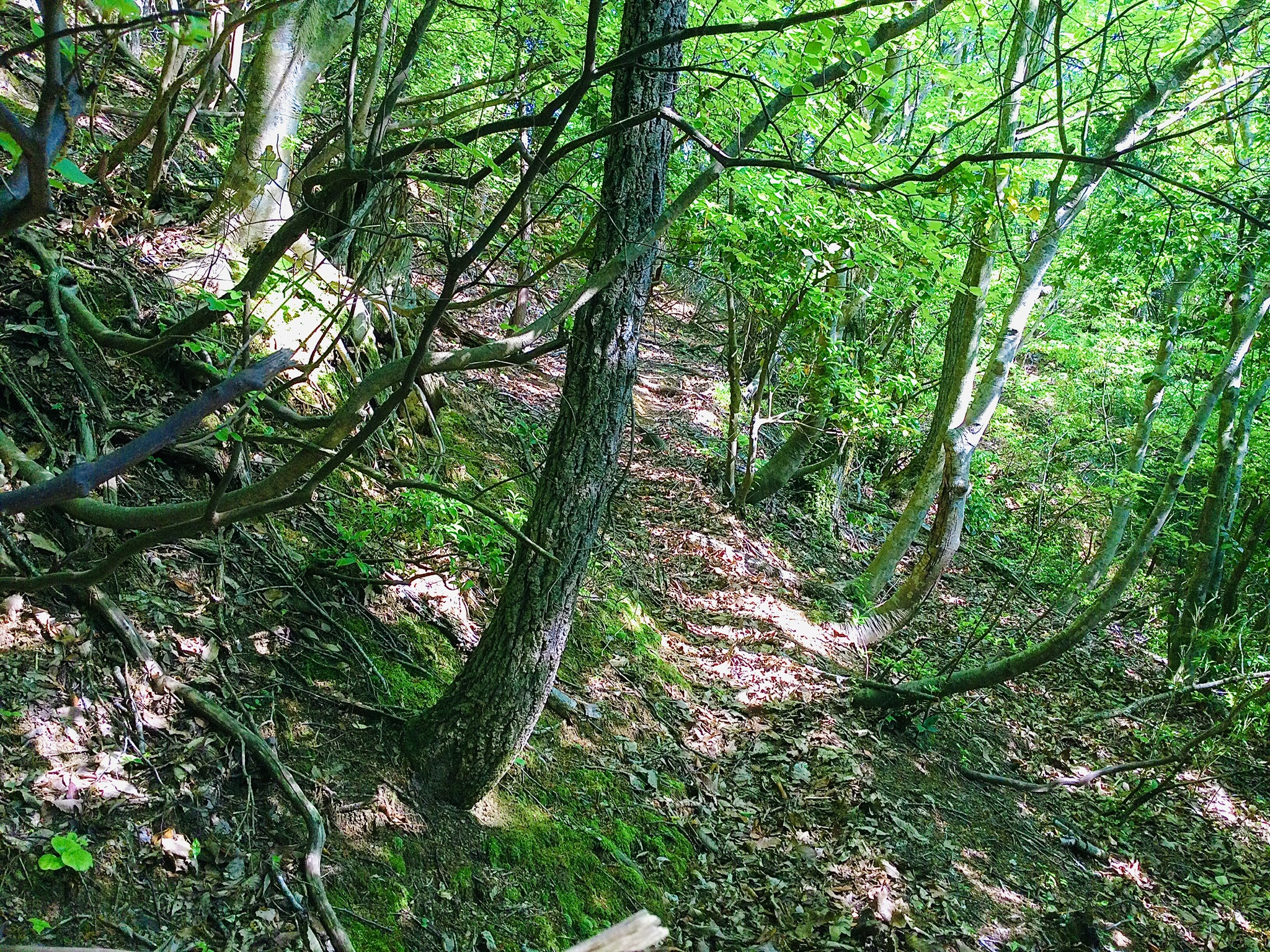
ときどき、道の痕跡が乏しくなるが、今熊野城西側からは簡単だ
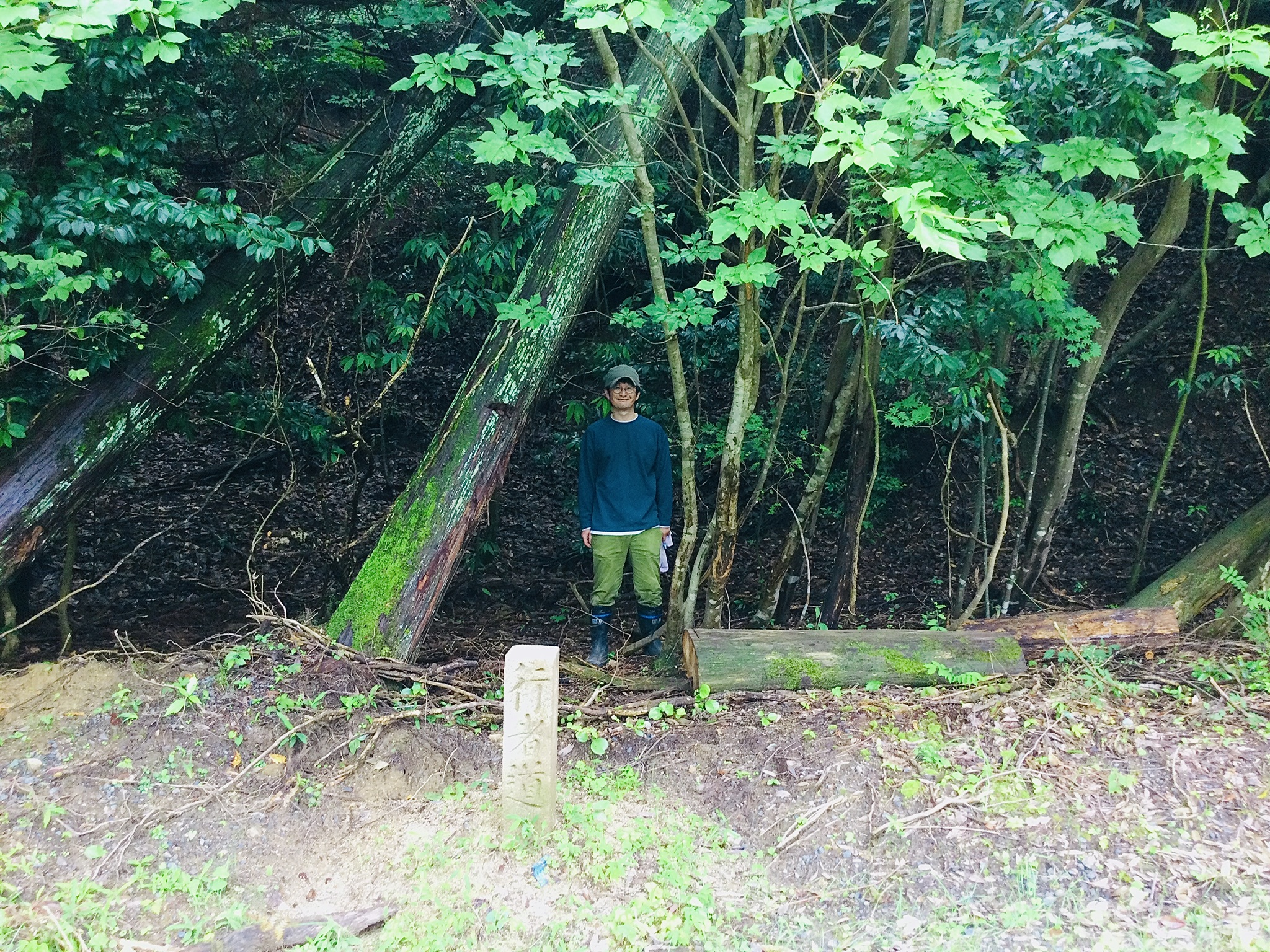
バス道に立っている「行者道」の標識位置に正確に到達
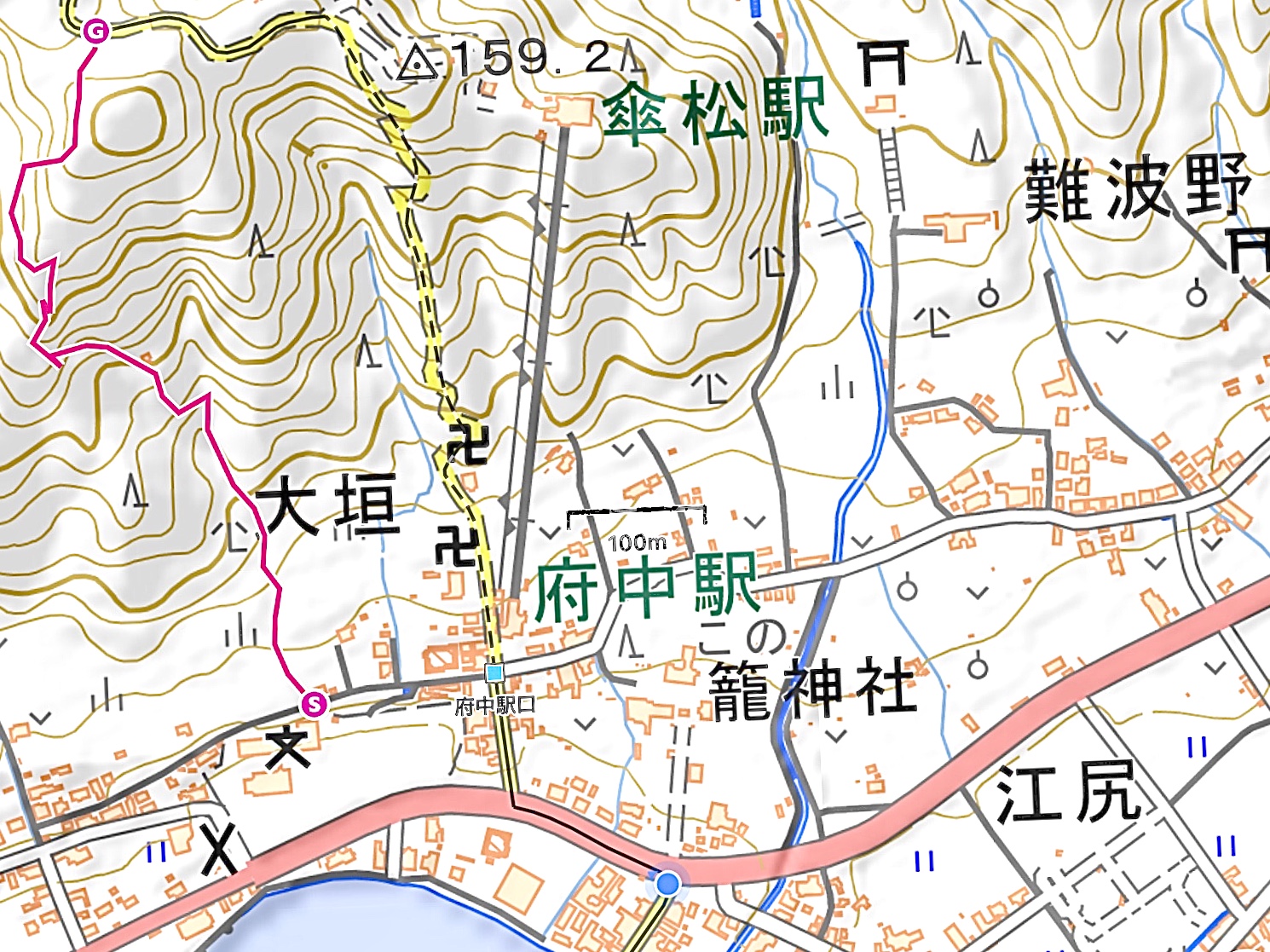
アクセス難易度 ★★★★★★★★★